If you’re craving a place where the day feels a little less rushed, Monticello may be worth a closer look. This small Jefferson County city offers a slower rhythm, a preserved historic core, and easy access to nature, all while staying connected to the Tallahassee area. If you’re wondering what daily life here really feels like, this guide will walk you through the pace, places, and personality that make Monticello stand out. Let’s dive in.
Monticello at a glance
Monticello is the county seat of Jefferson County and its only incorporated city. According to the City of Monticello, the community is centered on small-town living, guided growth, and the preservation of its historic, cultural, and natural heritage. The 2020 Census place table lists 2,589 residents, which helps explain why the town feels personal and easy to navigate.
Location also shapes daily life here. The city says Monticello is about 24 miles east of Tallahassee and five miles north of I-10, so you can feel removed from heavier traffic and busier development while still staying tied to the larger region. For many buyers, that balance is a big part of the appeal.
A slower pace feels real here
In Monticello, the slower pace is not just a slogan. It shows up in the layout of the town, the scale of downtown, and the kind of everyday routines that fit naturally here. You’re more likely to picture short drives, local stops, and quiet evenings than a packed schedule built around long commutes and commercial sprawl.
Jefferson County even leans into that feeling on its recreation and tourism page, encouraging visitors to slow down and enjoy the view along heritage roads. The county also notes that many drivers still wave when passing each other. That kind of detail says a lot about the tone of the place.
Historic downtown gives Monticello character
A big part of life in Monticello is its historic setting. The city says the Historic District is the third oldest in Florida and includes many structures on the National Register of Historic Places. More than forty 19th-century buildings remain, and much of 19th-century Monticello is still largely intact.
That gives downtown a sense of continuity you can actually see. The architecture includes Greek Revival, Classic Revival, and Stick Style buildings, which helps create a setting that feels rooted rather than newly assembled. If you enjoy places with visible history and a lived-in identity, that can be a meaningful difference.
Main Street still matters
Monticello is also a National Main Street Community, and that shows in how downtown functions. Monticello Main Street supports local business, tourism, and historic preservation, while recurring events help keep the district active and community-oriented.
Seasonal gatherings like Halloween Haunting and Downtown Christmas add to that rhythm. Instead of feeling like a downtown you pass through, it feels more like a place that still serves as a community anchor.
The Opera House adds year-round activity
For a town of this size, Monticello has a notable cultural asset in the Monticello Opera House. Built in 1890, it still hosts concerts, plays, musicals, dinner theater, children’s theater, weddings, and other events throughout the year.
That matters because it adds variety to local life without changing the town’s character. You can enjoy entertainment and community events in a setting that matches Monticello’s historic feel.
Porch-living energy comes naturally
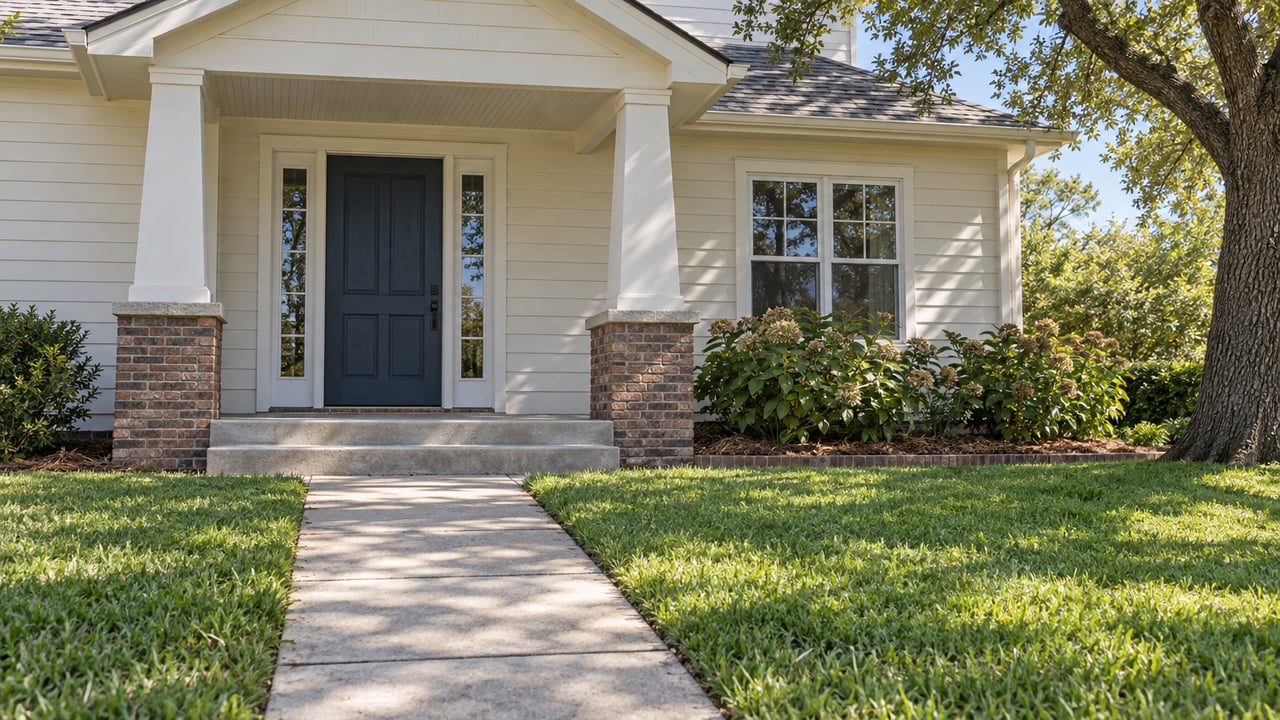
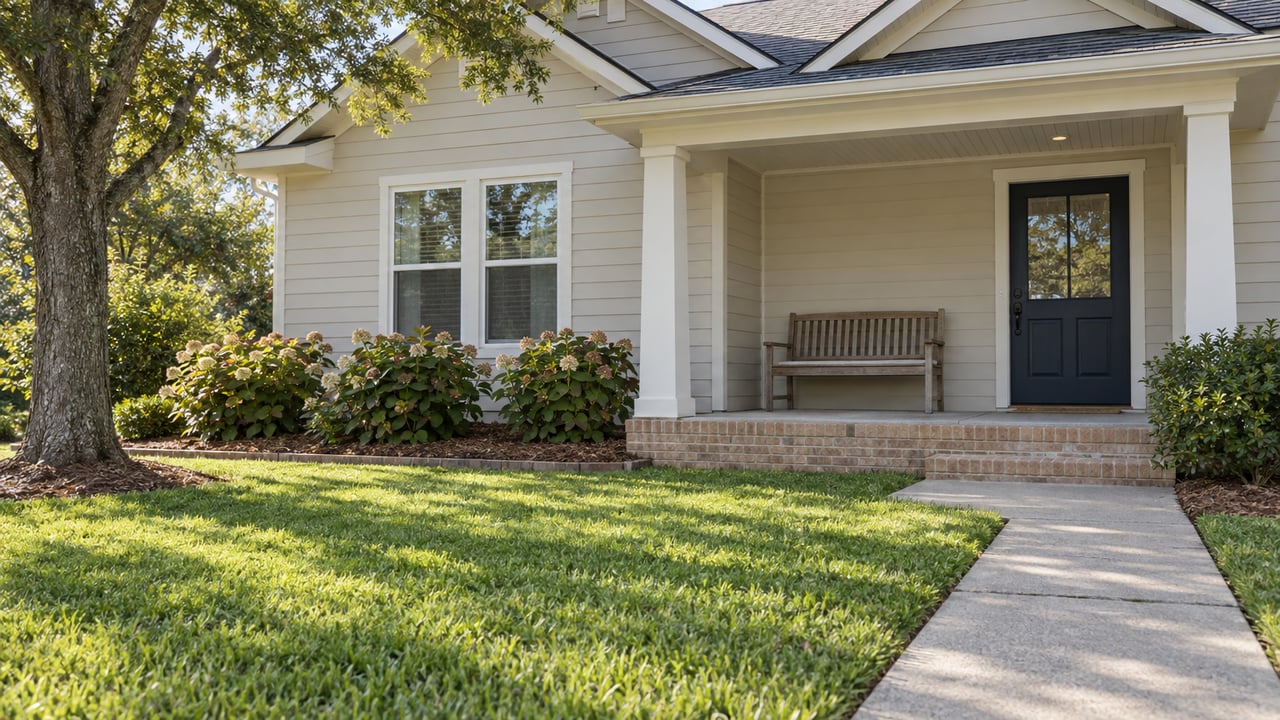
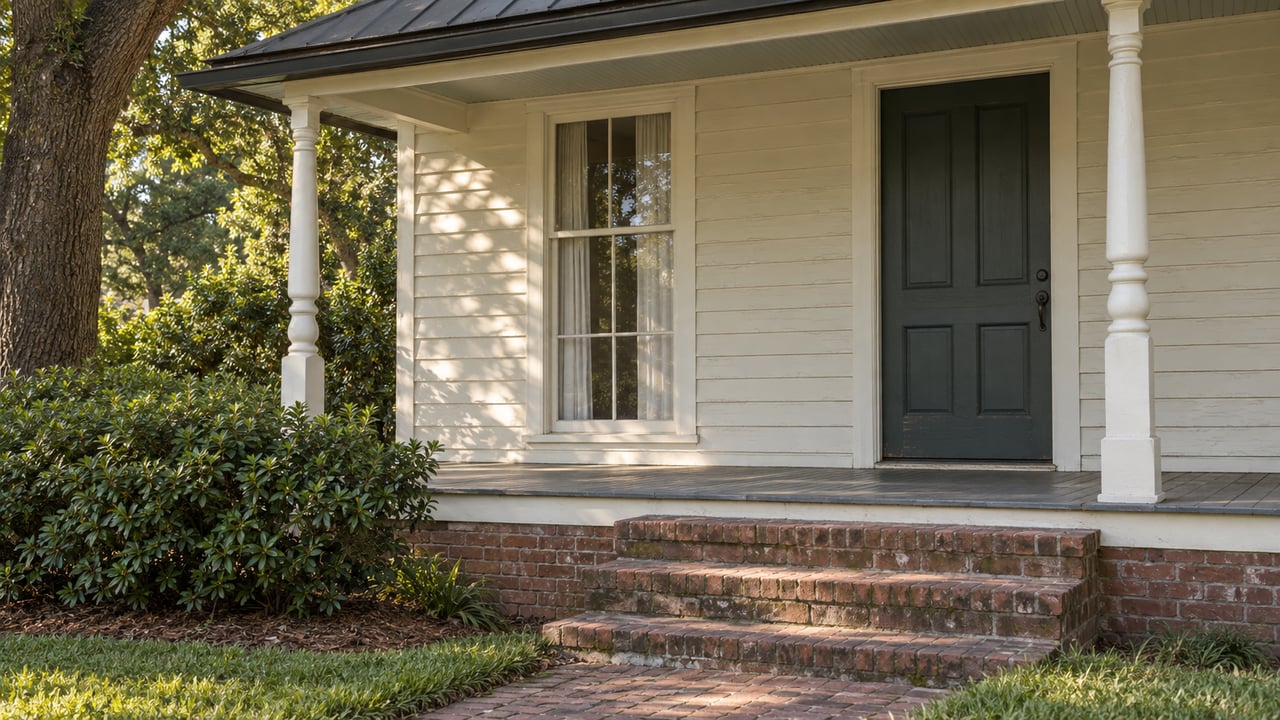
While the city does not officially describe Monticello as a “front-porch culture,” that impression makes sense when you look at the setting. Preserved older homes, a walkable historic core, and recurring community events all contribute to a place that feels relaxed, neighborly, and visually tied to an earlier pace of life.
That does not mean frozen in time. It means Monticello offers a style of living where character and routine still matter. If you are drawn to places where people value history, familiarity, and local connection, Monticello fits that picture well.
Daily errands and simple routines
Life in Monticello often centers on smaller, simpler routines. The city’s visitor resources highlight downtown shopping that includes local honey, handmade goods, thrifted clothing, art, antiques, local eateries, and bed-and-breakfasts.
That mix supports a lifestyle built around local stops instead of big commercial corridors. For some buyers, that is exactly the point. You are not choosing Monticello for nonstop activity. You are choosing it for ease, charm, and a calmer day-to-day experience.
Parks and recreation support the lifestyle
Monticello’s local amenities also line up with that small-town pace. The city’s parks page points to a 2-mile bike trail built on an abandoned railroad line, a community garden with fruit trees and planting plots, a neighborhood park, and a county recreation park near the city limits.
These are the kinds of places that support everyday outdoor time without requiring a major outing. A bike ride, a short walk, or time in the garden can feel like part of your normal week here, not something you have to plan around.
Nature is close to downtown
One of the more unique features of Monticello is how quickly you can get from downtown streets to natural spaces. The Florida Fish and Wildlife Conservation Commission describes Monticello Ecological Park as a 27-acre virgin woodland just a few blocks from downtown, with shady trails, an elevated boardwalk, and a spring-fed stream.
The city also highlighted the park in 2025 as its second Community Forest in the Old-Growth Forest Network. For buyers who want a small-town setting without giving up access to green space, that is a strong part of the lifestyle story.
Outdoor escapes go beyond town limits
Monticello’s appeal is not limited to what sits inside the city. The surrounding Big Bend landscape adds more options for people who enjoy time outdoors. That broader access can make the area especially appealing if you want quiet living at home and more room to explore on weekends.
The same FWC resource notes that the Wacissa River is fed by twelve major springs and begins at Wacissa Springs County Park. It offers beginner-friendly paddling, swimming, snorkeling, fishing, and wildlife viewing, while the nearby Aucilla area adds more opportunities for paddling and outdoor recreation.
If you prefer dry land, Letchworth-Love Mounds Archaeological State Park sits between Tallahassee and Monticello and offers hiking, birding, picnicking, guided tours, and Florida’s tallest Native American ceremonial mound. Together, these spots show that living in Monticello can connect you to much more than just one downtown or one neighborhood park.
Is there enough to do in Monticello?
For the right buyer, yes. If your ideal lifestyle includes nightlife, major retail, and constant new development, Monticello may feel too quiet. But if you value community events, local businesses, historic surroundings, scenic roads, and easy outdoor access, the area offers more than people often expect.
You have Main Street events, the Opera House, local shopping and dining, bike trails, parks, and nearby springs and state parkland. The key is matching the town to the lifestyle you actually want.
Who tends to love Monticello?
Monticello often appeals to buyers who want a setting that feels grounded and less hurried. That can include relocators looking for a smaller community near Tallahassee, buyers who prefer historic character, or people who simply want a home base with easier access to nature and a lower-density feel.
It can also be a strong fit if you want local insight before making a move in the Big Bend region. Every town has its own rhythm, and Monticello’s rhythm is distinct. Understanding that lifestyle upfront can help you decide whether it aligns with how you want to live.
Why local guidance matters
A place like Monticello is best understood beyond the map. Distance to Tallahassee, the feel of downtown, access to parks, and the everyday rhythm of the area all play into whether it feels right for you. That is why neighborhood-level guidance matters so much when you start comparing communities.
If you are considering Monticello or other Big Bend areas, working with someone who understands both the lifestyle and the housing options can help you make a more confident decision. When you’re ready to explore your options, connect with Trey Cooper III for local guidance tailored to how you want to live.
FAQs
How far is Monticello from Tallahassee?
- The City of Monticello says Monticello is about 24 miles east of Tallahassee.
Is Monticello, Florida, really a small town?
- Yes. Monticello is Jefferson County’s only incorporated city, and the 2020 Census place table lists 2,589 residents.
What is downtown Monticello like?
- Downtown Monticello is historic and locally oriented, with preserved 19th-century buildings, small shops, local eateries, community events, and the Monticello Opera House.
Are there outdoor things to do near Monticello?
- Yes. Local and nearby options include Monticello Ecological Park, a city bike trail, the Wacissa River, and Letchworth-Love Mounds Archaeological State Park.
Who should consider living in Monticello, Florida?
- Monticello may appeal to buyers who want a slower pace, historic character, local community events, and access to nature while staying within reach of Tallahassee.