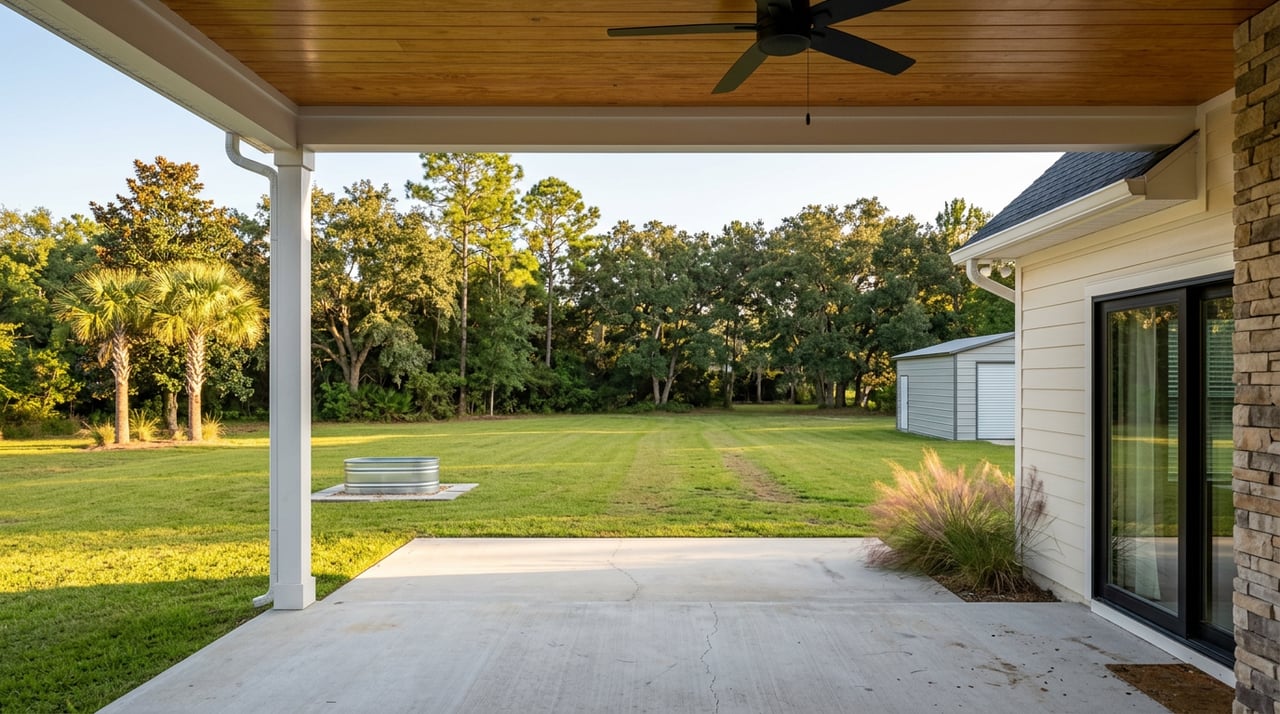
Want a little elbow room near Quincy without taking on a full farm? You’re not alone. Many buyers are looking for a home on one to five acres where they can spread out, park a boat, or add a workshop. The key is knowing what the county allows, how utilities work, and how to budget for wells, septic, and insurance. In this guide, you’ll learn what to expect so you can shop confidently and avoid surprises. Let’s dive in.
What to expect near Quincy
Prices around Quincy are lower than the Florida average, which is why many buyers look here for value. As of January 2026, Zillow’s typical home value for Quincy was roughly 160,000 to 170,000 dollars. Countywide, Redfin reported a median sale price near 227,500 dollars in early 2026. These figures move month to month, so use them as context while you compare active listings.
Outside the city core, most small acreage homes rely on private wells and septic systems. Electric service is typically provided by Talquin Electric Cooperative in unincorporated areas and by City of Quincy Utilities inside certain city limits. Broadband can be mixed. Some addresses have cable or fiber, others use fixed wireless or satellite. Always verify address-specific availability.
Zoning and lot sizes
Gadsden County’s Land Development Code controls minimum lot sizes and what you can build. The table in Chapter 5 is the authority. A few practical takeaways:
- Rural Residential (RR): 1.0 acre minimum for a single-family home. Cluster options may allow smaller footprints within subdivisions that preserve open space.
- Agriculture-1 (Ag-1): about 5.0 acres minimum. Ag-2 is about 10 acres, and Ag-3 is about 20 acres. These districts are intended for agriculture and silviculture uses.
- Urban Service Area parcels can be much smaller, closer to in-town lot sizes.
What this means for you: a 1 to 2 acre RR lot often fits the “little land” wish list and can support an accessory building and small hobby uses, subject to code and any covenants. If the parcel is in an Ag district, plan on larger minimums and additional considerations for clearing or farm uses. Some older recorded lots may be buildable even if they do not meet today’s minimums. Confirm status with the County or Property Appraiser. For ADUs, the county requires adequate developable uplands, and in many cases a separate septic system. Always check the LDC standards before you plan a guest house.
Utilities and services
Electricity
Expect Talquin Electric Cooperative in most rural areas and City of Quincy Utilities for some in-city properties. Ask which provider serves your parcel, whether power is already to the meter, if a transformer or line extension is needed, and any potential extension costs and timelines.
Water and sewer
Many small acreage homes use a private well and septic system. In certain in-town areas, municipal water and sewer are available. Confirm service boundaries before you assume public utilities, and verify connection fees if you are inside service areas.
Broadband and cell
Internet coverage varies by address. In town, you may see cable or fiber. In rural pockets, your options may be fixed wireless, 5G home internet, or satellite providers like Starlink, Viasat, or HughesNet. If you work from home or need high upload speeds, check actual address availability before you make an offer.
Roads and access
Verify whether your frontage is on a public road or a private road or easement. Private roads often mean you share maintenance. Ask for recorded road maintenance agreements and whether any HOA or special assessments apply.
Septic and wells
Septic permitting and inspections for Gadsden County are now administered by the Florida Department of Environmental Protection as part of the statewide onsite sewage program transition that included Northwest Florida counties effective January 2, 2025. For any rural home, request the septic permit history, system age, pump-out records, and the original soil or site evaluation. If no permitted system exists, budget for a site evaluation, design, and construction permit. Some areas with sensitive environmental conditions can require advanced systems.
For wells, ask for well logs, reported depth and yield, and a recent potability test that includes bacteria and nitrates. Repairs or a new pump can be a multi-thousand-dollar expense. Site soils and drainage can influence both well performance and septic suitability, so factor that into your due diligence.
Permits and environment
Building in unincorporated Gadsden County requires a planning and zoning review, then building permits. In many cases you need septic approval and a site plan before the county issues building permits for a detached single-family home.
Review FEMA flood maps and any county floodplain rules. If a structure sits in a Special Flood Hazard Area, you may need an elevation certificate and flood insurance. Some western areas contain unique habitats or limestone glades. Large-scale clearing or development may trigger additional review. Finally, review recorded covenants or conservation easements. These can limit structures, livestock, and certain land uses.
Financing and insurance
Many buyers use conventional, FHA, VA, or USDA Rural Development loans. Eligibility depends on parcel location, whether the site is primarily residential, and the lender’s acreage policies. Get written pre-approval early and confirm the lender’s stance on acreage and any farm-related income.
For insurance, request quotes early. In the Panhandle, wind and hurricane deductibles are common, and older rural homes can face underwriting limits. Check your FEMA flood zone, ask about wind mitigation credits like roof-to-wall connections and secondary water barriers, and compare multiple carriers.
Ongoing costs
- Septic: routine pumping and inspection every 2 to 5 years, with repairs or drainfield replacement as needed.
- Well: periodic water testing and potential pump repair or replacement.
- Driveway and roads: gravel, culvert, and private road upkeep if not county maintained.
- Yard and field: mowing, brush control, fencing, and erosion control. Timber or hunting leases bring their own obligations.
- Property taxes: agricultural classification can reduce taxes if the land use qualifies. Talk with the Property Appraiser about eligibility and documentation.
Property profiles
1 to 2 acres in RR
You get near-town convenience with privacy and space for a workshop or garden. Expect a private well and septic unless you are close to municipal service lines. Confirm covenants if you want an accessory building or small livestock. Internet options vary by street.
5 or more acres in Ag-1
You gain separation and room for hobby agriculture or timber. Minimum lot size is about 5 acres, and clearing or large projects can involve extra reviews. Budget for longer driveway runs, potential power extensions, and ongoing land maintenance. Verify your flood zone and any conservation easements.
Buyer checklist
- Confirm zoning and Future Land Use designation in the county GIS.
- Pull the recorded deed, plat, covenants, and any easements or conservation restrictions.
- Ask Talquin or City of Quincy which utility will serve the parcel and whether extensions are needed.
- Request septic permits, system age, last pump-out, and the soil or site evaluation. If missing, budget for testing and design.
- Get well logs, depth and yield, and a recent water quality test.
- Check FEMA flood zone. If in a Special Flood Hazard Area, get an elevation certificate and insurance quote.
- Order or obtain a recent survey. Verify legal access and setbacks.
- Ask about wetlands, BMAP requirements, or special environmental constraints.
- Secure written lender pre-approval that confirms acreage and property-use eligibility.
Ready to find your fit?
Small acreage around Quincy can deliver great value if you verify zoning, utilities, and site conditions early. Before you write an offer, confirm two facts for every property: exact utility availability and the status of septic, well, and floodplain. If you want local help pulling county records, utility confirmations, and quotes, I’m here. Reach out to Trey Cooper III to start your search with a clear plan.
FAQs
What loan programs work for small acreage near Quincy?
- Conventional, FHA, VA, and USDA loans are common, but eligibility depends on parcel location, residential use, and lender acreage rules, so get written pre-approval early.
How do I confirm if an ADU is allowed on a Gadsden lot?
- Check the Land Development Code for ADU standards, verify developable uplands, and confirm whether a separate septic system is required for your specific parcel.
Who provides electricity for rural homes near Quincy?
- Talquin Electric Cooperative typically serves unincorporated areas while City of Quincy Utilities serves some in-city addresses, so confirm the provider for the exact parcel.
What inspections should I order for a well and septic home?
- Request septic permit records, a current septic inspection and pump-out as needed, a well log with potability testing, and a general home inspection with survey and flood review.
Do I need flood insurance if I am not near a river?
- You need flood insurance if your home is in a Special Flood Hazard Area and it may still be wise outside those areas, so always check FEMA maps and obtain quotes.
Can I keep small livestock on a 1 to 2 acre lot?
- Possibly, but it depends on zoning and recorded covenants for the subdivision, so verify allowed uses with the county and check all deed restrictions before you buy.