Are you drawn to a front porch with real history, or do you want the ease of a newer home with fewer upkeep surprises? In Monticello, you do not have to guess what those choices look like. The local housing stock tells a clear story, from formal historic homes near the courthouse square to simpler cottages and newer homes on larger rural lots. If you are thinking about buying in Monticello, understanding those home styles can help you match your budget, lifestyle, and maintenance comfort level. Let’s dive in.
Why Monticello Homes Feel So Distinct
Monticello stands apart because its housing story is tied closely to place. Jefferson County describes the area as a rural landscape with wooded acreage, mini-farms, horse farms, and larger agricultural tracts, while Monticello remains the county seat about 23 miles east of Tallahassee. That mix helps explain why you can find both in-town historic homes and more spread-out rural properties in the same market.
Historic preservation also plays a big role here. According to Jefferson County information about the area, tours in and around the historic district highlight the town’s streetscape, porches, and courthouse-square setting. For you as a buyer, that means Monticello is not just about house size. It is also about how a home fits into the feel of the town.
Historic District Styles
The Monticello Historic District nomination describes the area as one of the best collections of early 19th-century domestic architecture in North Florida. While some of the earliest building stock was lost over time, the district still offers a strong mix of antebellum homes, late-19th-century residences, and a courthouse-square commercial center.
If you tour homes near the historic core, you will likely notice that the architecture feels more varied and visually detailed than in many newer neighborhoods. Here are the main styles buyers tend to notice first.
Greek Revival and Classic Revival
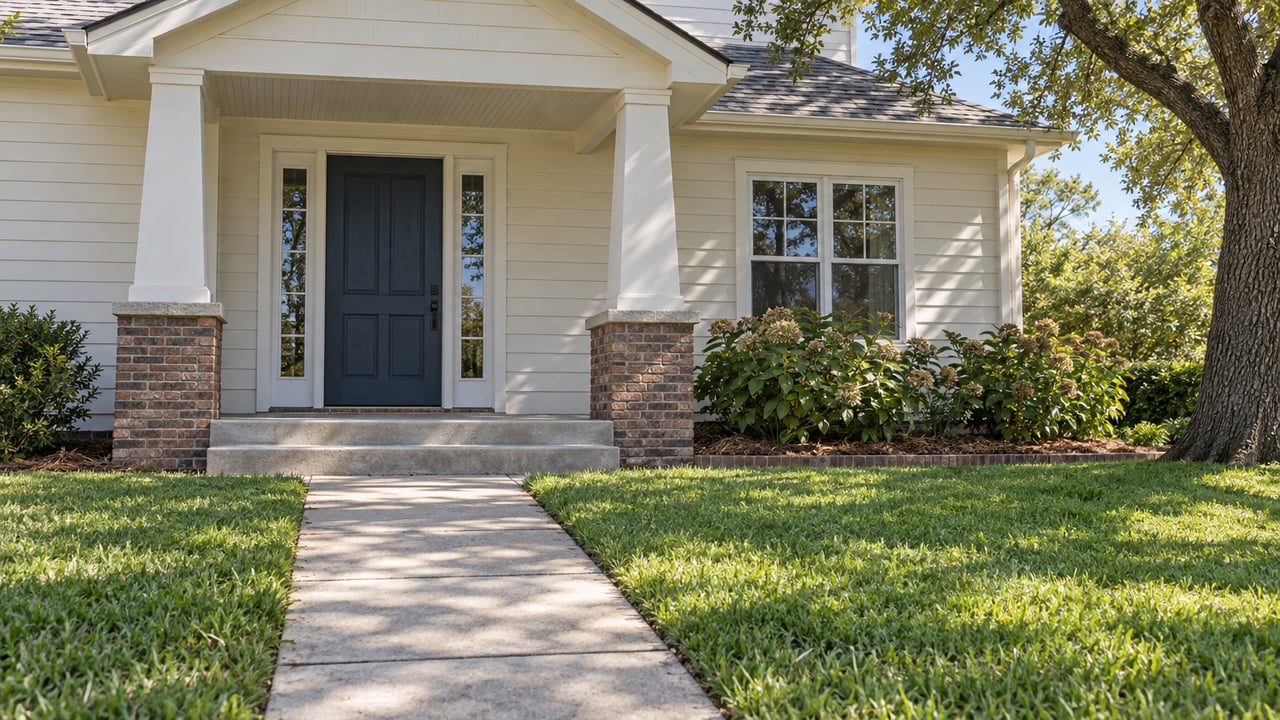
These homes are among Monticello’s most formal and symmetrical. The National Register nomination describes them as one- to two-story clapboard houses with features such as porticos, full entablatures, pilasters, sidelights, and transoms.
In everyday terms, you are looking at homes with strong front entries, balanced facades, and a traditional sense of proportion. They often appeal to buyers who love historic detail and classic curb appeal. At the same time, the layout may feel more traditional, with defined rooms instead of the open-concept flow many newer buyers expect.
Examples named in the district documentation include the Wirick-Simmons House, Budd-Braswell House, Denham-Brinson House, Christian Bless House, and William S. Dilworth House. These homes help shape Monticello’s long-standing historic identity.
Italianate, Stick, and Queen Anne
If you prefer homes with more decorative character, these later 19th-century styles may stand out to you. The district inventory includes Italianate homes with cupolas and bracketed eaves, Stick Style homes with visible stickwork and bracketed eaves, and Queen Anne homes with asymmetrical forms, shingle belts, and wraparound porches.
These are often the most visually expressive homes in town. You may see irregular rooflines, porch-heavy facades, and detailed woodwork that give the home a strong personality from the street. The tradeoff is simple: more exterior detailing usually means more ongoing maintenance.
Downtown Streetscape Matters
In Monticello, the setting around the home is part of the appeal. The historic district includes not only houses, but also brick commercial buildings and civic landmarks like the courthouse and the Perkins Opera House, all described in the district nomination.
That overlap creates a small-town streetscape that feels connected and walkable in character. If you like the idea of living where historic homes, local businesses, and civic buildings share the same visual story, the historic core may feel especially appealing.
Florida Cracker Cottages
Not every older home in Monticello is grand or highly ornate. Some buyers are drawn to simpler vernacular homes, especially Florida Cracker-style houses and cottages.
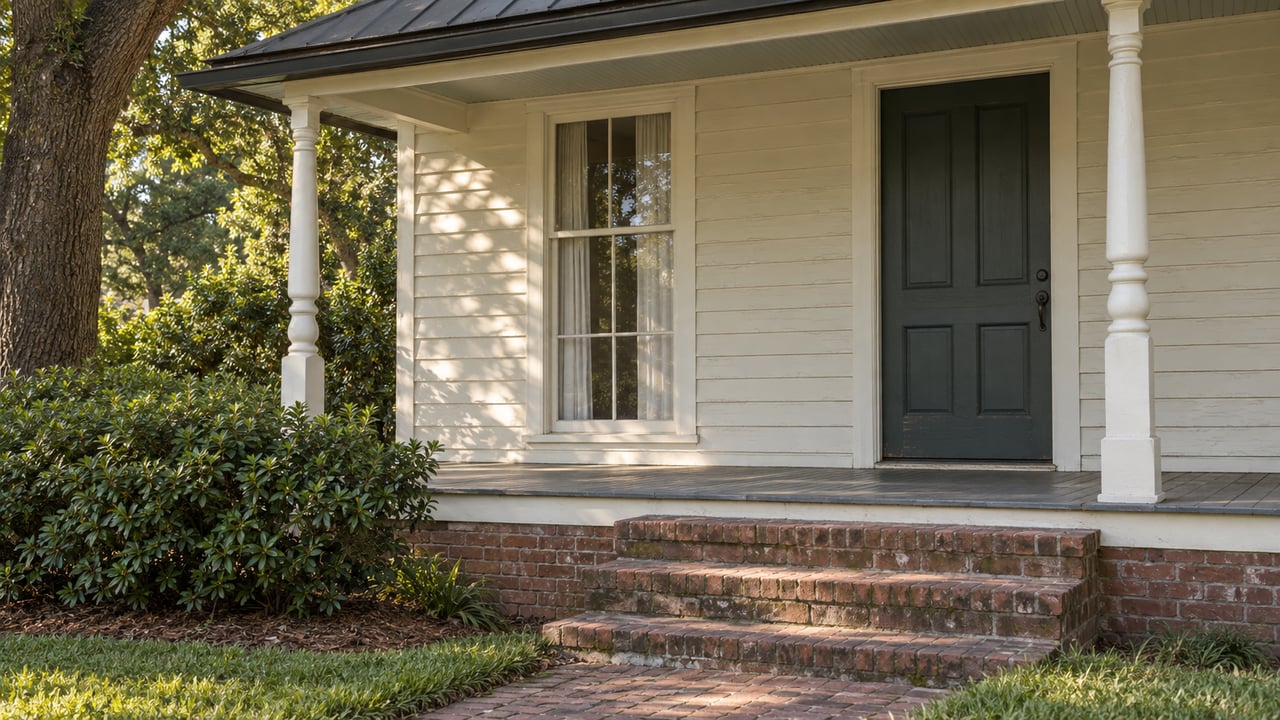
The Florida Department of State describes Florida Cracker homes as wood-frame houses with wraparound porches, tin side-gabled roofs, overhangs for shade, and windows and breezeways that support cross-ventilation. Those features were practical responses to Florida’s climate, and they still shape how these homes feel today.
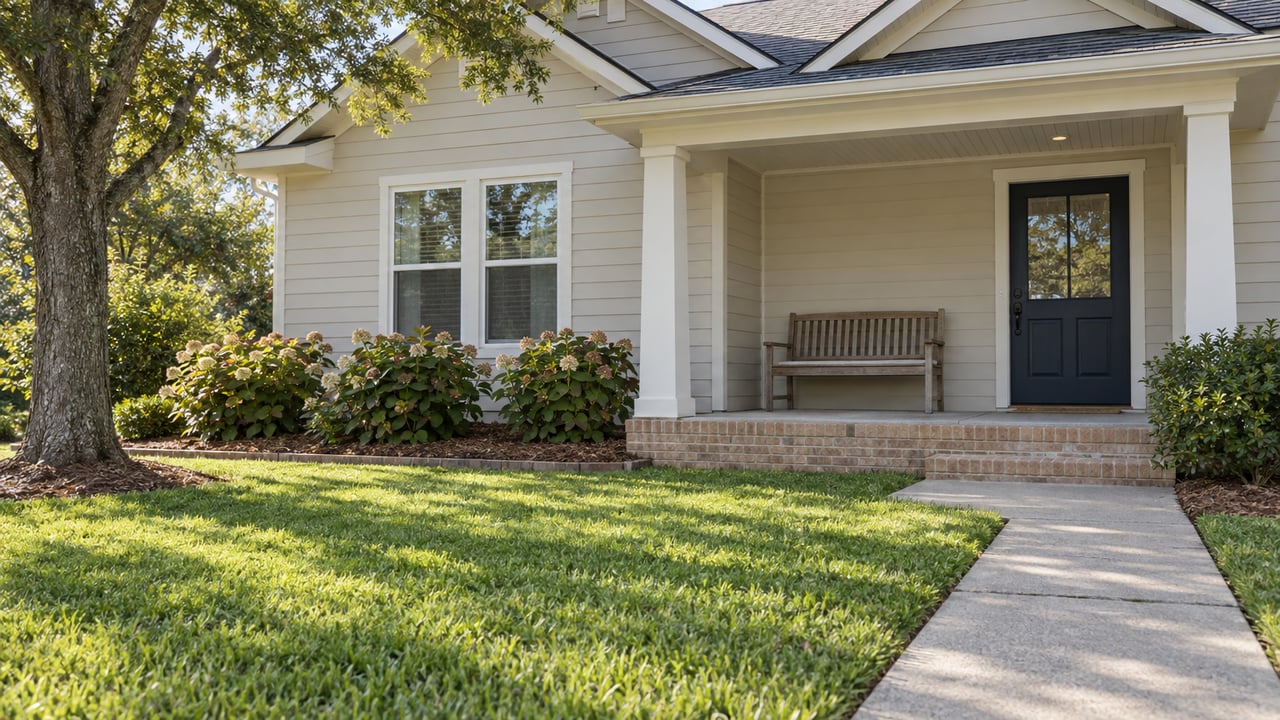
For you, that often means a home with charm, porch space, and a more modest footprint. These properties can be a great fit if you want character without taking on a large historic house. But because porch elements, wood siding, windows, and roof edges are such important features, you should expect regular maintenance to be part of ownership.
Newer Homes and Larger-Lot Living
Once you move outside the courthouse-square district, Monticello often shifts from historic in-town living to a more rural pattern. County materials describe Jefferson County as a place of wooded acreage, mini-farms, horse farms, and larger agricultural tracts, so you may see homes on larger lots with more distance between neighbors.
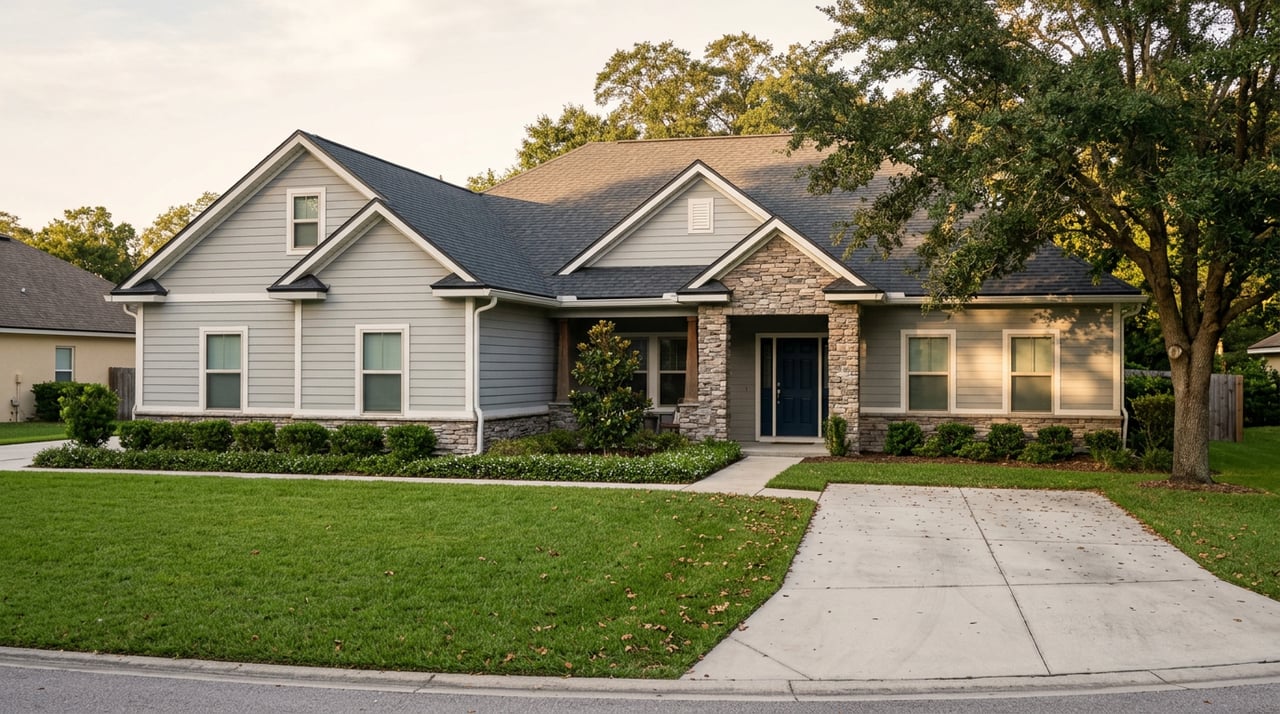
In many cases, newer homes around Monticello feel more standardized and less ornamented than historic homes. They may offer layouts and features that make daily life simpler, especially if you want easier parking, more storage, and less exterior detail to maintain.
County development rules also shape what newer construction looks like. According to Jefferson County’s planning and local information, developments require site-plan approval, new buildings must meet setback standards, and new structures in the historic district must be compatible in scale and appearance. The county also notes that plans must comply with Florida Building Codes 2020 to 2023, 8th edition.
Historic Charm vs New Build Ease
If you are deciding between an older home and newer construction in Monticello, it often comes down to what matters most in your day-to-day life. Neither option is automatically better. The right fit depends on how you want to live.
| What You Value | Historic Home | Newer Home |
|---|---|---|
| Architectural detail | Often higher | Usually simpler |
| Porch character | Common | Varies by design |
| Maintenance needs | Often higher | Often lower |
| Traditional layouts | More common | Less common |
| Larger rural lots | Less common in town core | More common outside core |
| Preservation sensitivity | More likely | Less likely outside historic areas |
A historic home may be the better match if you care most about original details, porch life, and being close to Monticello’s established streetscape. A newer home may be a better fit if you want a more predictable maintenance routine and more flexibility with lot size and everyday function.
What To Watch During Your Search
When you tour homes in Monticello, style should be only part of the conversation. You also want to think about how each type of property fits your budget and comfort level over time.
Here are a few smart questions to keep in mind:
- How much ongoing exterior upkeep are you comfortable handling?
- Do you prefer formal room layouts or more open living spaces?
- Is being near the historic core part of the appeal?
- Would you rather have a larger lot and simpler exterior features?
- Are porch spaces and period details a priority for you?
These questions can help you narrow the field faster. In Monticello especially, buyers often do best when they balance charm with practical ownership expectations.
Why Local Guidance Helps
Monticello is not a one-style market. It is a continuum, from formal Greek Revival and Classic Revival homes to ornate late-Victorian houses, practical Cracker cottages, and newer rural construction. That variety is part of what makes the area so interesting, but it also means two homes at similar price points can offer very different ownership experiences.
If you are comparing neighborhoods, lot types, or home styles in Monticello, having local guidance can make the process much clearer. Trey Cooper III helps buyers across the Big Bend region make sense of local housing options so you can move forward with confidence.
FAQs
What home styles are common in Monticello, Florida?
- Common home styles in Monticello include Greek Revival, Classic Revival, Italianate, Stick Style, Queen Anne, Florida Cracker cottages, and newer homes on larger rural lots.
What defines a historic home in Monticello’s historic district?
- Historic homes in Monticello’s historic district often feature original architectural details, front porches, traditional layouts, and streetscapes shaped by nearby civic and commercial buildings.
What is a Florida Cracker house in Monticello?
- A Florida Cracker house in Monticello is typically a wood-frame home with broad porches, shade-focused rooflines, and ventilation features designed for Florida’s climate.
Are newer homes available in Monticello, Florida?
- Yes, newer homes are available in and around Monticello, especially outside the historic core where larger lots and more rural settings are common.
Should you choose a historic home or a newer home in Monticello?
- You may prefer a historic home if you value architectural character and porch-centered living, while a newer home may fit better if you want lower-maintenance features and more standardized design.