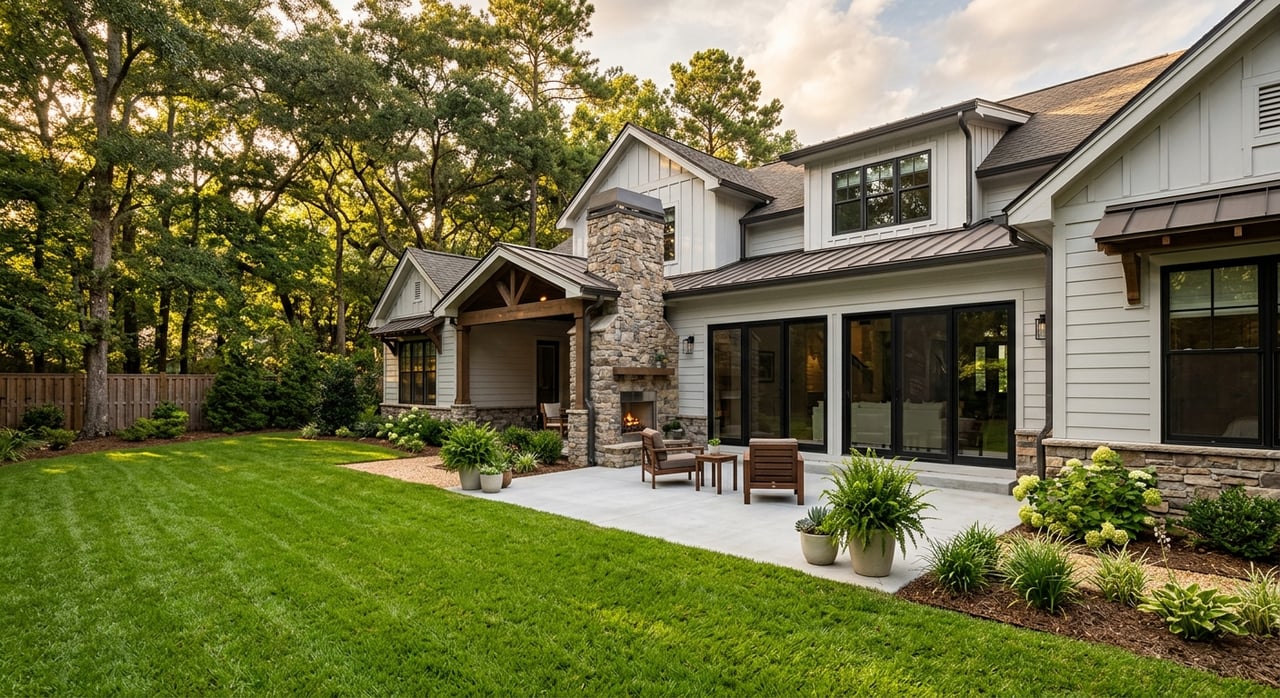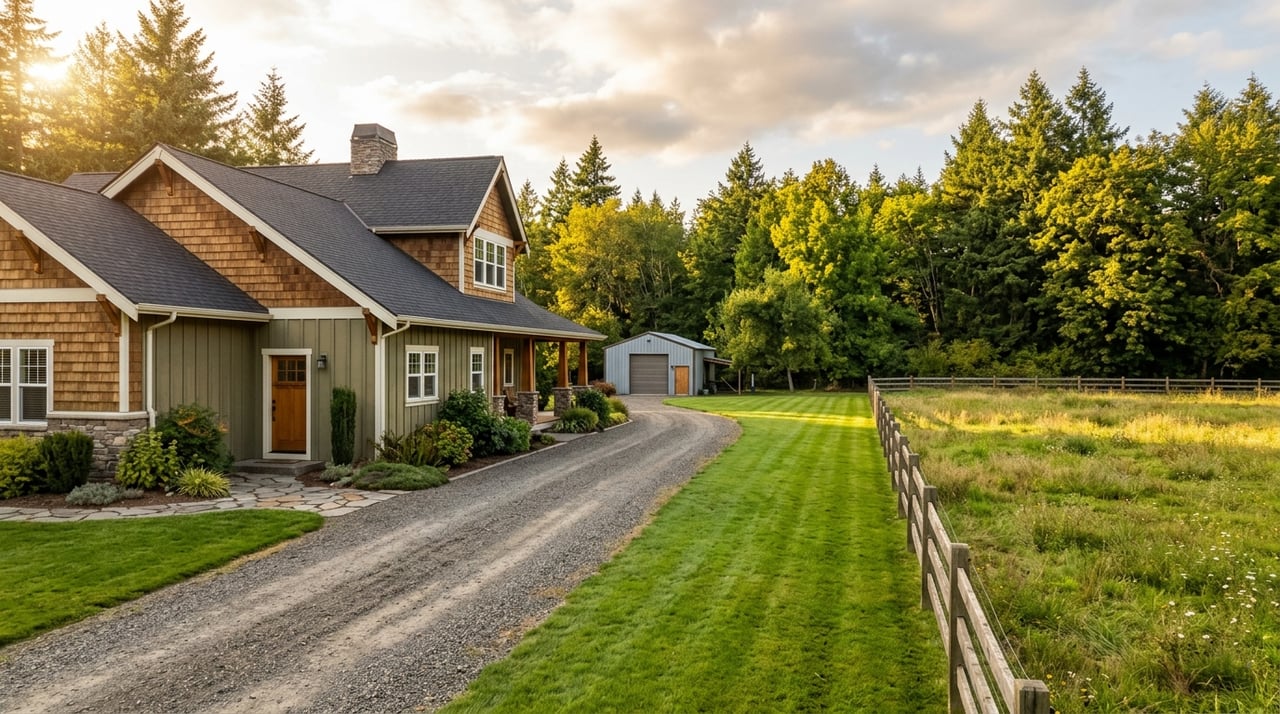
Looking for more room without feeling cut off from everyday conveniences? A home-plus-land property near Quincy can offer exactly that balance. If you want space for a bigger yard, extra storage, a garden, or simply more breathing room, it helps to know how life on these properties really works before you buy. Let’s dive in.
Why Quincy Appeals to Land Buyers
Quincy offers a small-town setting with access to a wider regional hub. The city had 7,970 residents in the 2020 Census, and Gadsden County had 43,826 residents spread across 516.38 square miles. That lower-density setup is a big reason many buyers start looking here when they want more land.
Another part of the appeal is location. Quincy is about 20 miles west of Tallahassee, and Gadsden County’s economic development office describes the county as adjacent to the state capital with easy access to Tallahassee-area amenities. For you, that can mean more elbow room at home without fully stepping away from city access.
Quincy also has a distinct sense of place. The Florida Department of State describes a preserved courthouse square, historic commercial buildings dating to the 1880s, and a Florida Main Street district with arts and community events. Nearby outdoor destinations include the Apalachicola River, Lake Talquin, and Torreya State Park.
What “Home-Plus-Land” Can Mean Here
Near Quincy, home-plus-land can describe a wide range of property types. Some homes are on more conventional in-town lots, while others sit on multi-acre parcels in unincorporated parts of Gadsden County. That range is one of the biggest reasons your search needs a clear plan.
Gadsden County’s land-use code helps explain the difference. The county includes Urban Service Area, Rural Residential, and Agriculture categories. Rural Residential allows development patterns that fit alongside agricultural uses and encourages clustering up to one dwelling unit per acre, while Agriculture includes 1:5, 1:10, and 1:20 categories with minimum lot sizes of 5, 10, and 20 acres.
In practical terms, that means your lifestyle can look very different depending on the parcel. One property may feel like a traditional home with extra yard space, while another may give you room for gardens, outbuildings, and low-intensity hobby uses. The land itself shapes the day-to-day experience as much as the house does.
Lot Size Changes Daily Life
A larger parcel can give you privacy, flexibility, and room to spread out. You may have space for equipment storage, outdoor projects, or a layout that puts a little distance between you and neighboring homes. For many buyers, that breathing room is the main goal.
At the same time, more land usually means more responsibility. A larger yard takes more time to mow, maintain, and manage through changing weather. What feels peaceful and open on showing day should also make sense for your weekly routine a few months after closing.
This is where it helps to think honestly about how you plan to use the property. If you want a simple lifestyle with fewer chores, a smaller lot near town may fit better. If you truly want space to work, store, plant, or spread out, acreage may be worth the extra upkeep.
Utilities Matter More Than Many Buyers Expect
One of the biggest differences between an in-town Quincy home and a more rural property is utility service. Inside Quincy city limits, utility accounts can cover water, gas, sewer, garbage, and electricity through a more centralized setup. That can make day-to-day management feel more straightforward.
Outside those centralized systems, the picture changes. Gadsden County says it does not provide centralized potable water, sanitary sewer, or solid waste services in the county at large. The county plan instead requires approved wastewater treatment and disposal systems and approved potable water wells unless a property connects to an existing centralized system.
For you, that makes one early question especially important: is the property on city utilities or private systems? The answer affects maintenance, budgeting, inspections, and your comfort level with hands-on ownership. It is one of the first things I would want clarified during a Quincy-area land search.
Wells and Septic Need Ongoing Attention
If a property uses a private well, you will want to treat water testing as part of normal homeownership. The Florida Department of Health says homeowners are responsible for keeping private well water safe and strongly recommends testing for bacteria and nitrate at least once a year. That is a simple fact, but it matters.
If the home uses a septic system, routine oversight matters there too. Florida guidance recommends septic inspection and pumping every 3 to 5 years, and UF/IFAS notes that hurricanes and flooding can reduce drainfield performance. On a rural property, those systems are often part of the ownership routine rather than something handled by a city utility provider.
None of this means you should avoid acreage. It just means you should go in with a clear understanding of the systems that support the home. Buyers who know what to expect usually feel much more confident about the move.
Road Access and Drainage Deserve Attention
When you move beyond city lots, the land around the home matters more. Gadsden County Public Works maintains more than 700 miles of roads in unincorporated Gadsden County and handles road and stormwater infrastructure maintenance. That makes access and drainage an important part of evaluating a property.
You will want to pay attention to how a parcel connects to the road, how the driveway sits, and how the land appears to handle rain. Stormwater flow, lower spots, and overall site grading can shape how usable the property feels over time. These details may not stand out in photos, but they matter in real life.
This is also why map review can be so helpful early in the process. A property that looks ideal at first glance may have layout or access issues that deserve a closer look. A little extra due diligence up front can save you frustration later.
Use Parcel Maps Before You Fall in Love
The Gadsden County Property Appraiser’s GIS tool allows users to view parcel boundaries, dimensions, land-use codes, zoning, flood zones, and utility layers. For buyers looking at home-plus-land properties, this kind of map view can be extremely useful. It gives you a clearer sense of what you are actually buying.
This matters because not every acre feels the same on the ground. A parcel’s shape, flood-zone placement, utility layout, and relationship to neighboring properties can all affect how usable it is. Two properties with similar acreage can offer very different experiences.
Before you get too attached to a listing, it helps to study the parcel itself. That step can reveal whether the property really fits your goals for space, access, and everyday function. It is one of the smartest ways to narrow your search near Quincy.
Yard Care Gets Bigger Fast
Large lots can be beautiful, but they can also become projects. UF/IFAS recommends Florida-Friendly Landscaping practices that focus on efficient watering, appropriate fertilizing, and responsible pest management. On a bigger property, those habits can help you keep maintenance more manageable.
UF/IFAS also promotes the right-plant, right-place approach and the use of mulch to help reduce water use, weeds, mowing, and overall upkeep. That matters when your yard is large enough to demand real time each week. Smart planning can save effort over the long run.
If you love working outdoors, this may be part of the fun. If not, you may want to think carefully about how much land you truly want to maintain. The right property is not always the one with the highest acre count.
The Lifestyle Tradeoff Is Usually Worth It
For the right buyer, life on a home-plus-land property near Quincy can feel like a reset. You get a smaller-town setting, more physical space, and a little more separation from the pace of denser areas. At the same time, you stay within reach of Tallahassee and the broader Big Bend region.
The tradeoff is that ownership tends to be more self-directed. You may be managing wells, septic, larger yards, drainage concerns, or longer driveways instead of relying on more centralized city services. For many people, that trade feels well worth it because the space changes how home feels day to day.
The key is finding the version of that lifestyle that fits you. Some buyers want just enough land to breathe. Others want a true acreage property with room to expand their routines and hobbies.
If you are exploring Quincy or the surrounding area, I can help you compare in-town homes, large-lot properties, and acreage options with a clear eye on utilities, parcel layout, and how the property will live after closing. When you are ready to talk through your options, connect with Trey Cooper III.
FAQs
What is a home-plus-land property near Quincy?
- A home-plus-land property near Quincy usually means a house with more land than a typical in-town lot, ranging from extra yard space to multi-acre parcels in rural parts of Gadsden County.
What utility systems are common on Quincy-area land properties?
- Inside Quincy city limits, some homes may have centralized water, gas, sewer, garbage, and electricity, while rural properties may rely on private wells and approved wastewater systems.
What should buyers check on a Quincy acreage property?
- You should review parcel boundaries, land-use codes, flood zones, utility access, road access, drainage, and whether the home is connected to city utilities or private systems.
How much maintenance comes with a larger lot near Quincy?
- Larger lots often require more mowing, landscaping, drainage awareness, and routine oversight, especially if the property also has a private well or septic system.
Why do buyers choose Quincy for more land?
- Many buyers look to Quincy because it offers a small-town setting, lower-density living, access to nearby outdoor areas, and proximity to Tallahassee, which is about 20 miles away.