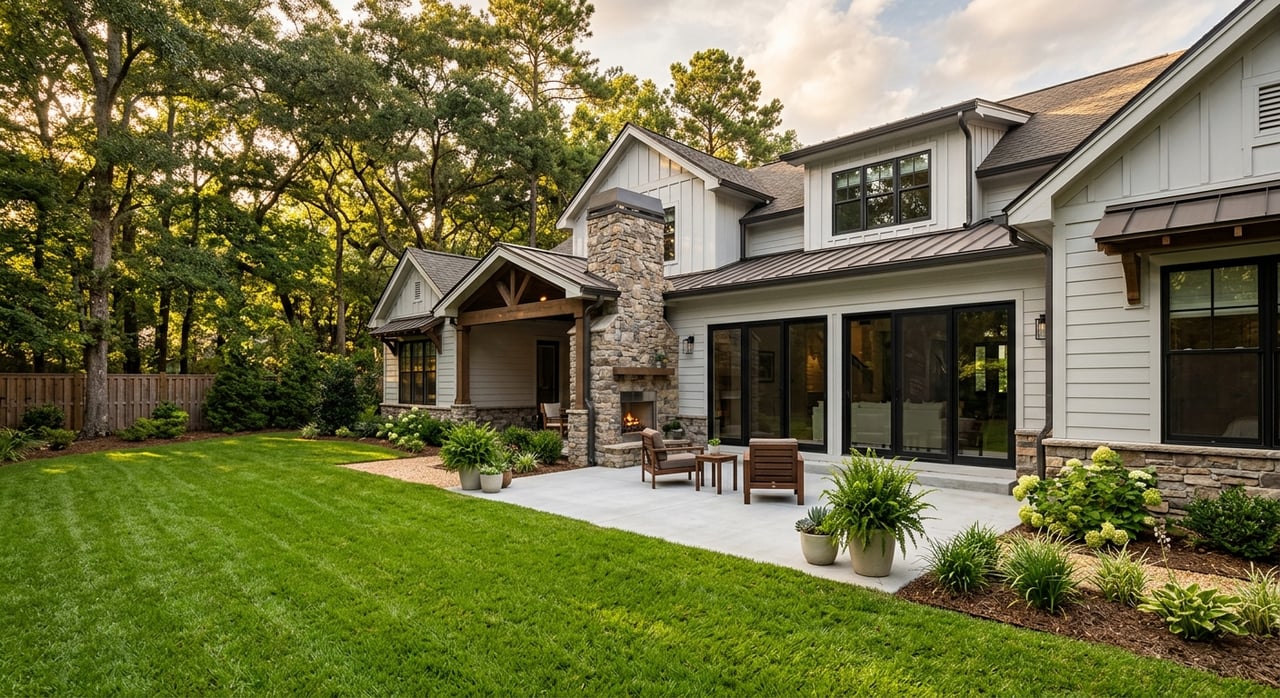
Thinking about buying a home in Quincy? You are not alone, and you are also not looking at a one-size-fits-all market. In Quincy, your search may include everything from an in-town house on a standard lot to a larger rural parcel with acreage, mobile-home potential, or extra buildings. This guide walks you through each step so you can plan your budget, avoid common surprises, and move forward with confidence. Let’s dive in.
Start With Quincy Market Context
Before you set a budget, it helps to understand what Quincy looks like on paper versus what buyers are seeing in the market right now. The city had 7,970 residents in the 2020 Census, with a 57.6% owner-occupied housing rate and a 2020-2024 median owner-occupied value estimate of $125,500.
That Census estimate is useful for background, but it is not the same thing as current market pricing. More current housing snapshots show higher pricing, with Zillow reporting a median list price of $276,967 as of May 31, 2026, and Redfin reporting a median sale price of $229,862 over the three months ending May 2026.
Redfin also reports a median of 44 days on market and describes Quincy as somewhat competitive, with some homes getting multiple offers. For you, that means it is smart to shop with a clear plan and be ready to act when the right property appears.
Decide What Type of Property Fits
One of the biggest Quincy decisions is not just which home to buy, but what kind of property fits your goals. Current inventory can include detached homes, land-only lots, mobile homes, and acreage properties.
If you want a more conventional buying experience, an in-town home may offer a simpler path. If you want more space, privacy, or room for future use, a rural parcel may be worth a closer look.
That choice matters because acreage properties often come with extra due diligence. You may need to verify utilities, flood considerations, drainage, permit history, and possible agricultural tax treatment before you move forward.
Step 1: Get Pre-Approved Early
Your first practical step is getting pre-approved before you tour seriously. In a market where some homes receive multiple offers, waiting to line up financing can put you behind.
Pre-approval helps you understand your budget and gives your offer more weight when you are ready to move. It also helps you narrow your search so you are looking at homes and land options that match your actual numbers.
Step 2: Build a Realistic Budget
Your budget should include more than the purchase price. In Quincy, this is especially important because two homes at a similar price point may have very different long-term costs depending on location, land size, and infrastructure.
As you budget, ask about:
- Estimated monthly mortgage payment
- Property taxes
- Insurance costs
- Inspection costs
- Possible repairs or updates
- Utility setup and maintenance
- Well or septic needs on rural parcels
Florida Revenue advises first-time Florida homebuyers to ask a licensed real estate agent, mortgage lender, or county property appraiser about property taxes before purchase. That is a smart move in Quincy, where the property itself can shape your tax and maintenance picture.
Step 3: Understand Florida Property Tax Timing
If you are buying in Quincy, local tax timing matters. In Florida, county property appraisers assess property as of January 1, proposed tax notices go out in August, tax bills arrive in late October or November, and taxes are due by March 31.
If the home will be your permanent residence, the homestead exemption can protect up to $50,000 of assessed value, and the application is due by March 1. After the first homestead year, the Save Our Homes limit caps annual assessed-value increases at 3%.
These dates are worth putting on your calendar early. Missing the March 1 filing deadline can affect your tax savings for the year.
Step 4: Search With City vs. Rural Tradeoffs in Mind
As you tour homes in Quincy, compare properties through a local lens. A house in town and a house on acreage may both fit your price range, but they may offer very different ownership experiences.
Here are a few practical questions to ask yourself:
- Do you want a standard lot or extra land?
- Are you comfortable maintaining a larger property?
- Do you want city utility connections, if available?
- Are you open to well and septic systems?
- Do you need barns, sheds, or other outbuildings?
- Will drainage or land use affect your plans?
This step is where neighborhood-level guidance really matters. A home search in Quincy often becomes a lifestyle and property-management decision as much as a price decision.
Step 5: Confirm Utilities Before You Offer
In Gadsden County, utility setup is parcel-specific. The county states that it does not provide centralized potable water, sanitary sewer, or solid waste services countywide, and properties not connected to a centralized system need approved wastewater and potable water systems.
In plain terms, you should not assume every Quincy-area property has the same utility setup. Some parcels may be on more typical service connections, while others may rely on well, septic, or other on-site infrastructure.
Before you write an offer, confirm what serves the property now and what would be required if you plan to build, expand, or change use. This is one of the biggest differences between buying in town and buying farther out.
Step 6: Review Tax Status on Acreage
If you are considering a larger lot, farm-style property, timber tract, or land with agricultural use, ask early about agricultural classification. In Gadsden County, agricultural classification is available only when land is used primarily for bona fide commercial agricultural purposes, the qualifying use is in place by January 1, and a return is filed by March 1.
The county also notes that a residence and its curtilage on agricultural land are assessed separately. For buyers, that means you should not assume a large parcel will automatically receive favorable agricultural tax treatment after closing.
This is an important due-diligence item if you are comparing acreage options. It can affect your long-term ownership costs and how you evaluate the property’s fit.
Step 7: Tour Carefully and Look Beyond the House
When you walk a property, look past paint colors and staging. Quincy buyers should pay close attention to the condition of the structure, but also to the land, drainage, outbuildings, and any visible additions.
This matters even more for older homes and rural properties. A barn, shed, enclosed porch, workshop, or extra structure may add value to your lifestyle, but you still want to know its condition and whether it was properly permitted.
As you tour, watch for:
- Signs of standing water or poor drainage
- Roof condition
- Cracks or uneven areas
- Condition of sheds, barns, or detached structures
- Evidence of additions or conversions
- Access points, driveways, and land usability
Step 8: Make a Strong, Informed Offer
Once you find the right property, move with purpose. Because Quincy can be somewhat competitive, a clean and well-prepared offer can matter.
That does not mean rushing blindly. It means knowing your financing, understanding the property’s local risks, and writing an offer that reflects both market conditions and what you learned during your research.
A solid offer strategy usually starts with preparation, not pressure. If you already understand taxes, utilities, and likely repair concerns, you can make decisions faster and with fewer surprises.
Step 9: Schedule Inspection and Appraisal
A home inspection and an appraisal are not the same thing, and both matter. Buyers should still arrange a home inspection of their own choosing even if a seller already completed one.
This step is especially important in Quincy on older homes, acreage properties, and homes with extra improvements. The goal is to understand condition, safety concerns, maintenance issues, and repair needs before closing.
A strong inspection period can help you evaluate:
- Main house systems and structure
- Roof condition
- Moisture or drainage concerns
- Outbuilding condition
- Issues tied to additions or older improvements
- Items that may need repair or further review
Step 10: Check Flood and Storm-Related Risks Early
Flood questions should come up early, not at the last minute. FEMA says flood insurance is required in Special Flood Hazard Areas for homes with government-backed mortgages.
North Florida weather also makes timing important. NOAA defines Atlantic hurricane season as June 1 through November 30, so buyers shopping in late spring, summer, or fall should pay extra attention to roof condition, drainage, repair timelines, and insurance quotes.
This is not about assuming every property has a problem. It is about making sure you understand the parcel’s risk profile before you close.
Step 11: Verify Drainage and Permit History
Drainage can be a major issue on larger or more rural properties. Gadsden County notes that unmanaged runoff can contribute to erosion, sedimentation, flooding, water-quality problems, and aquifer recharge concerns.
That makes drainage patterns worth checking before you commit. A property can look fine on a dry day but still have runoff or grading issues that affect long-term use.
Permit history matters too. Gadsden County’s building department handles permit applications, plan reviews, and inspections under the 2023 Florida Building Code, 8th Edition. If a property has additions or outbuildings, confirm that the work was properly permitted when applicable.
Step 12: Close and Plan Your First Deadlines
Closing is not the end of the process. After closing, your first big local deadline may be March 1 if the home is your permanent residence and you want to file for the homestead exemption.
The same March 1 date can also matter for agricultural classification on qualifying land. If you are buying a property with acreage, that is a key date to discuss early so you know what may apply and what documentation may be needed.
A smooth closing is great, but a smart first year of ownership starts with staying ahead of these deadlines.
Why Quincy Buyers Need a Local Strategy
Quincy is not just a lower-cost alternative to other parts of the region. It is a market with real variety, from standard residential homes to parcels with land, mobile-home options, and rural features that can change your costs and responsibilities.
That is why a step-by-step approach works so well here. When you understand the local market, utility realities, tax deadlines, and property-specific due diligence, you can buy with more confidence and fewer surprises.
If you want help comparing in-town homes with acreage options around Quincy, Trey Cooper III can help you make sense of the tradeoffs and move forward with a plan that fits your goals.
FAQs
What kinds of homes can you buy in Quincy?
- Current Quincy inventory can include detached homes, land-only lots, mobile homes, and acreage properties.
Do all Quincy properties have the same utilities?
- No. Utility service is parcel-specific, and some properties may require well, septic, or other on-site systems instead of centralized connections.
What property tax dates matter when buying a home in Quincy?
- Key dates include January 1 for assessment, March 1 for homestead or agricultural filing, August for proposed tax notices, late October or November for tax bills, and March 31 for tax payment due date.
What should you verify before closing on a Quincy acreage property?
- You should verify inspection results, appraisal, flood zone status, drainage patterns, utility setup, permit history, and any possible agricultural tax considerations.
Is Quincy a competitive real estate market for buyers?
- Quincy is described as somewhat competitive, with some homes receiving multiple offers, so being pre-approved and ready to act can help.
What is the homestead exemption deadline for a Quincy homebuyer?
- If the home will be your permanent residence, the filing deadline for the homestead exemption is March 1.