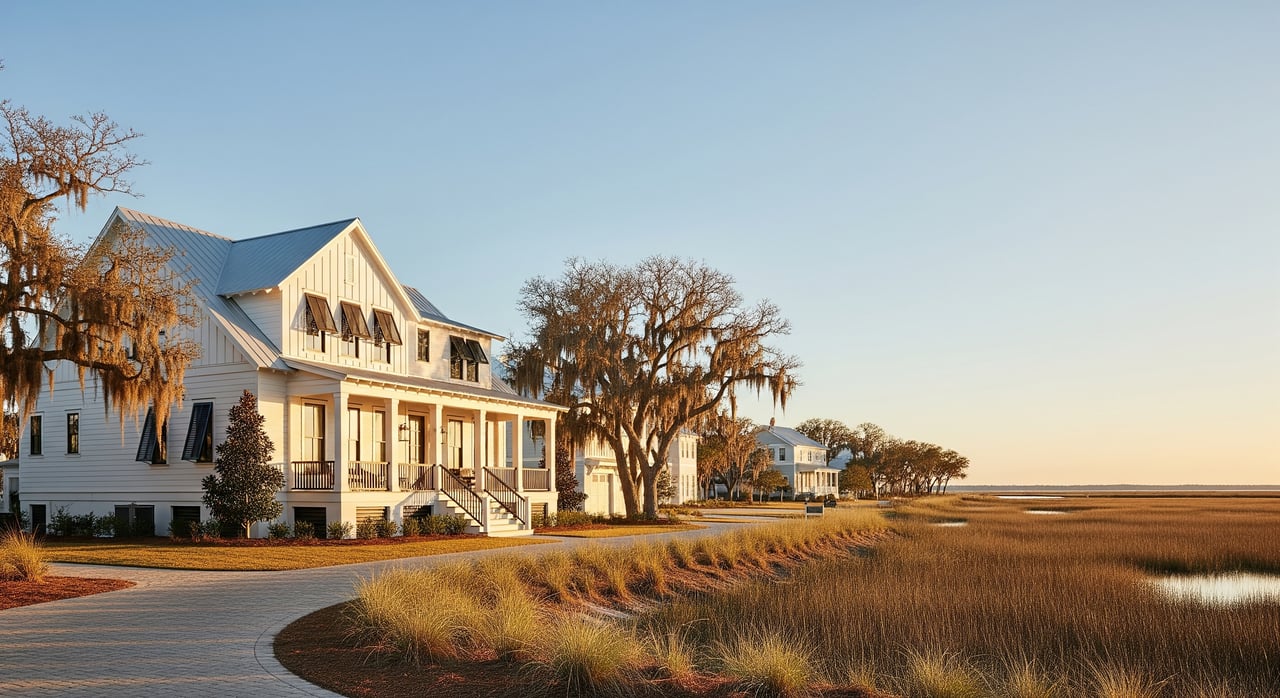
Dreaming of a brand-new home with room to breathe, roughly 30 to 45 minutes from downtown Tallahassee? If you want larger lots, lower-density living, and strong value without losing access to jobs and services, Crawfordville deserves a close look. In this guide, you’ll learn the neighborhood and lot options, the types of new homes available, timelines, warranties, and a practical checklist to help you buy with confidence. Let’s dive in.
Why Crawfordville fits new-build buyers
Crawfordville is the county seat of Wakulla County, just south of Tallahassee. You’ll find typical driving distances of about 16 to 22 miles to central Tallahassee, which translates to a 30 to 45 minute commute depending on route and traffic. Many buyers choose the area for larger lots and lower taxes compared with in-city neighborhoods while staying connected to Tallahassee’s employers and services.
The county’s development pattern is mostly rural and suburban. You’ll see new homes appear as small subdivisions, planned tracts of single-family lots, and custom builds on acreage. Zoning and setback rules are county-administered, so always verify specifics with Wakulla County Growth Management before you commit to a lot or plan.
New-home types you’ll see
New construction in and around Crawfordville falls into a few clear product categories. Your choice will shape your budget, timeline, and how many custom options you can add.
Spec and production homes
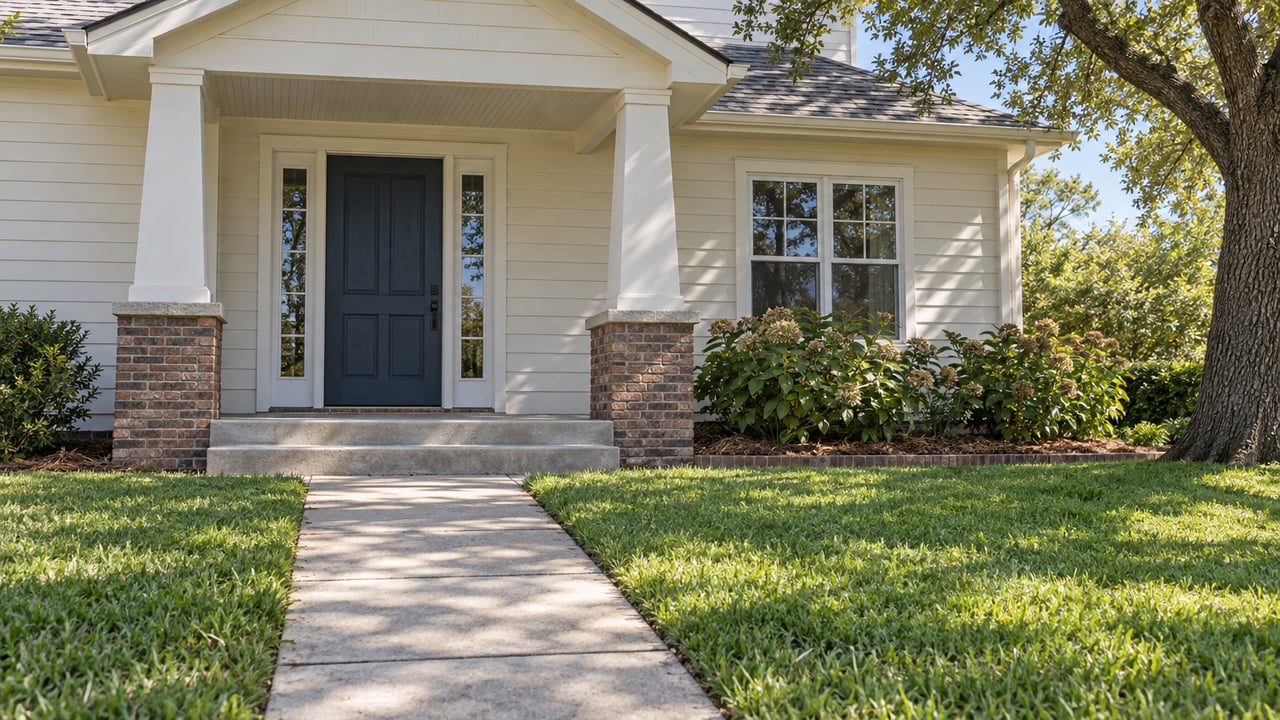
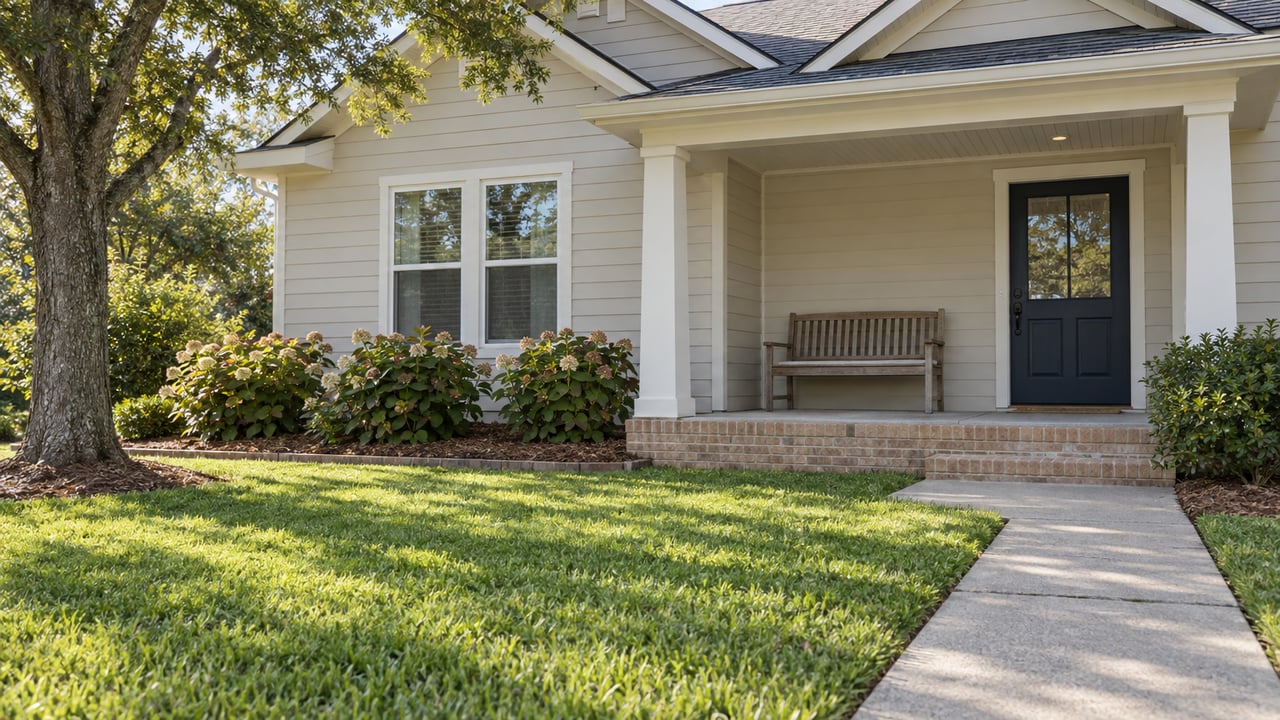
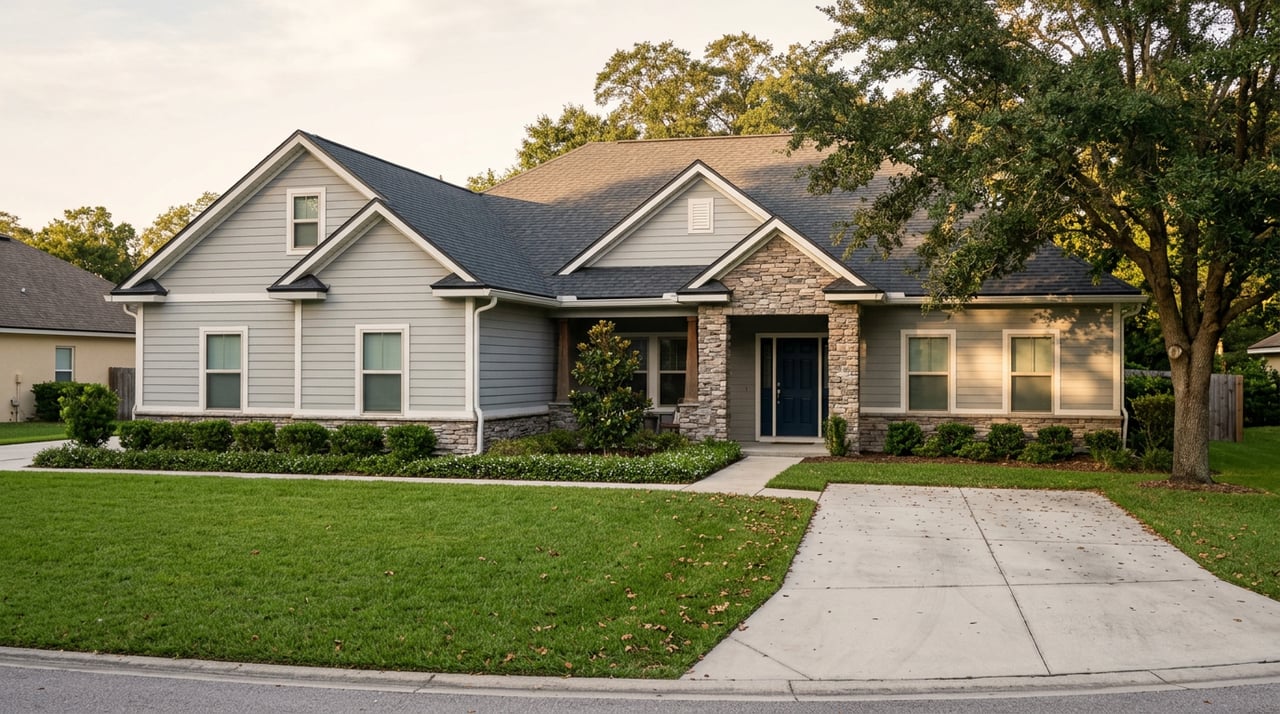
These are builder-built homes in small subdivisions on roughly 0.15 to 0.5 acre lots. They’re often marketed as “move-in ready” or “quick delivery,” which keeps your timeline short. Expect popular 3 to 4 bedroom plans, 2 to 3 baths, and mostly single-story designs with a 2-car garage.
Semi-custom plans
Local and regional builders commonly offer a set of floor plans with options and upgrades. You can build in a subdivision or on a lot you own, and you’ll choose finishes, minor plan tweaks, and features like covered porches or a screened lanai. Build time is longer than a spec home, but you get more of what you want.
Custom homes on acreage
If privacy and space are top priorities, custom builds on 1 to 5+ acres are common outside the town center. You can add bonus rooms, offices, and storage outbuildings and even plan for RV or boat parking. Site work, well and septic, and driveway construction can lengthen timelines.
Modular or prefab options
Some buyers and builders use modular or panelized homes to save time and cost. Availability depends on local contractors, and you’ll still need to confirm permitting, utilities, and installer experience.
What floor plans typically include
Value-oriented single-family homes often range from about 1,200 to 2,500 square feet, with larger custom builds exceeding 2,500 to 3,500 square feet. Single-story designs are popular for easy living and maintenance, though two-story and loft plans do exist.
Expect modern HVAC systems, insulated windows, and Florida Building Code wind-load requirements. Some new builds include impact-rated windows or shutters. Outdoor living is a priority here, so covered porches and lanais are common, and many buyers ask for space to store a boat or RV.
Neighborhood options in Crawfordville
You have options that balance convenience, lot size, and lifestyle. Here’s how they compare.
In-town and near-town subdivisions
These planned neighborhoods typically offer quarter- to half-acre lots with production or semi-custom homes. You’ll often find the best selection of “move-in ready” spec homes here. Benefits include shorter utility hookup times, established roads, and quicker access to services.
Review deed restrictions and any HOA rules before you sign. Covenants can shape exterior finishes, fencing, and outbuildings. If you value consistency and curb appeal, an HOA may help. If you want maximum flexibility, look closely at restrictions.
Semi-rural neighborhoods with larger lots
These areas offer roughly 0.5 to 2 acre lots and fewer restrictions. Many buyers choose them to balance space with proximity to town. Utilities can vary widely. Some neighborhoods have county water and sewer, while others require a private well and septic. Always verify utilities and connection timelines before you commit.
Acreage and rural parcels
Parcels of 1 to 20+ acres are common across Wakulla County. They suit custom builds, horse properties, and buyers who want room for outbuildings. Plan for longer permitting and utility timelines, plus added costs for site clearing, driveway construction, and septic design.
Coastal and St. Marks corridor
Southeast of Crawfordville toward the coast and St. Marks, you’ll encounter higher FEMA flood zones. Flood and windstorm insurance can materially affect your carrying costs. Review flood maps and elevation data early and factor premiums into your budget.
How to find move-in-ready new homes
If you want a short timeline, focus your search on spec or inventory homes in in-town subdivisions. You can:
- Watch the local MLS for “spec,” “inventory,” and “available now” listings.
- Track new phase releases in larger subdivisions, where builders often post early spec starts.
- Visit model homes in the area to see which plans are commonly built as specs versus built-to-order.
Spec homes offer the fastest path to closing. They’re also helpful for appraisals because they reflect what’s actually selling right now.
Builders, timelines, and contracts
Who builds here
Large national production builders may appear in small numbers, but local and regional builders dominate in Wakulla County. That can be a good thing if you value flexibility with lot choices, plan tweaks, and local references. Always verify licensing and ask to see recent projects and client references.
Typical build timelines
- Spec homes: Immediate or near-immediate closing once complete and released by the builder.
- Production homes after contract: About 5 to 9 months from permit to completion, depending on the builder’s workload and materials.
- Semi-custom and custom: Roughly 8 to 14+ months from permit to completion, especially if the site needs clearing, elevation, or septic installation.
Remember that permitting can add weeks to months before foundation work starts. Timeline variance often comes from plan complexity and site conditions.
Permits, utilities, and inspections
Wakulla County manages building permits, impact fees, septic permits, and utility hookups. Your timeline can vary based on review times and whether your site requires environmental or floodplain approvals. Ask your builder to outline expected permit milestones and who handles submissions.
Utility type is a key cost driver. Some lots are ready for county water and sewer. Many rural parcels use septic and a private well, which requires additional design, installation, and inspections. You should also expect standard stage inspections for foundation, rough-ins, and final walkthroughs.
Warranties: what to expect
Most builders follow a common structure. Typical coverage includes a 1-year limited warranty for workmanship and materials, a limited 2 to 5 year period for major systems like HVAC, plumbing, and electrical, and a 10-year structural warranty for load-bearing elements. Larger builders often back the structural warranty through a third-party provider.
Ask for the full warranty document, not just a brochure. Confirm the claims process, who handles repairs, and expected response times. If you plan to sell within a few years, ask about transferability and proration.
Buyer checklist: confirm before you sign
Use this short list to protect your budget and timeline.
- Verify the builder’s Florida license and local references; request addresses of recent builds.
- Review the full warranty terms and the claims process.
- Clarify inclusions vs. upgrades for finishes, appliances, landscaping, driveway, and irrigation.
- Confirm exact lot size, setbacks, easements, HOA rules, and any flood zone designation.
- Verify utilities: county water/sewer availability vs. well/septic requirements and estimated hookup costs.
- Ask about permitting timelines in Wakulla County and plan contingencies for delays.
- Nail down the estimated completion date and any credits or remedies if timelines slip.
Insurance, taxes, and ongoing costs
Get insurance quotes early, especially if you’re near the coast or in a higher flood zone. Windstorm coverage, hurricane deductibles, and flood insurance can change your monthly budget. Property taxes should be researched through the county property appraiser so you understand how new construction assessments may affect your payment.
Your next steps
If you want space, value, and a manageable commute to Tallahassee, new construction in Crawfordville is a smart path. Decide whether a spec, semi-custom, or custom home best fits your timeline and budget, and narrow your search to the neighborhood types that match your lifestyle and utility preferences.
I help you compare subdivisions and lot options, track move-in-ready inventory, and coordinate the steps from permitting to punch list. If you’re ready to explore new construction in Crawfordville, let’s talk about your goals and build a plan that fits your timeline. Connect with Trey Cooper III to get started.
FAQs
How long is the commute from Crawfordville to Tallahassee?
- Typical driving is about 16–22 miles and 30–45 minutes depending on route and traffic.
What are the fastest move-in options for new construction in Crawfordville?
- Look for spec or inventory homes in in-town subdivisions and monitor the local MLS and builder quick-move-in lists.
How long does it take to build a new home in Wakulla County?
- Production homes often take about 5–9 months from permit, while semi-custom or custom builds run about 8–14+ months depending on complexity and site work.
Are national builders common in Crawfordville?
- Large national builders are less common; local and regional builders and custom contractors dominate, so always verify licensing and references.
What warranties do new homes in the area usually include?
- You can typically expect a 1-year workmanship warranty, limited systems coverage for 2–5 years, and a 10-year structural warranty, often through a third-party provider.
Do lots in Crawfordville come with water and sewer hookups?
- It varies; some subdivisions have county water and sewer, while many rural parcels require a private well and septic, so verify before you buy.