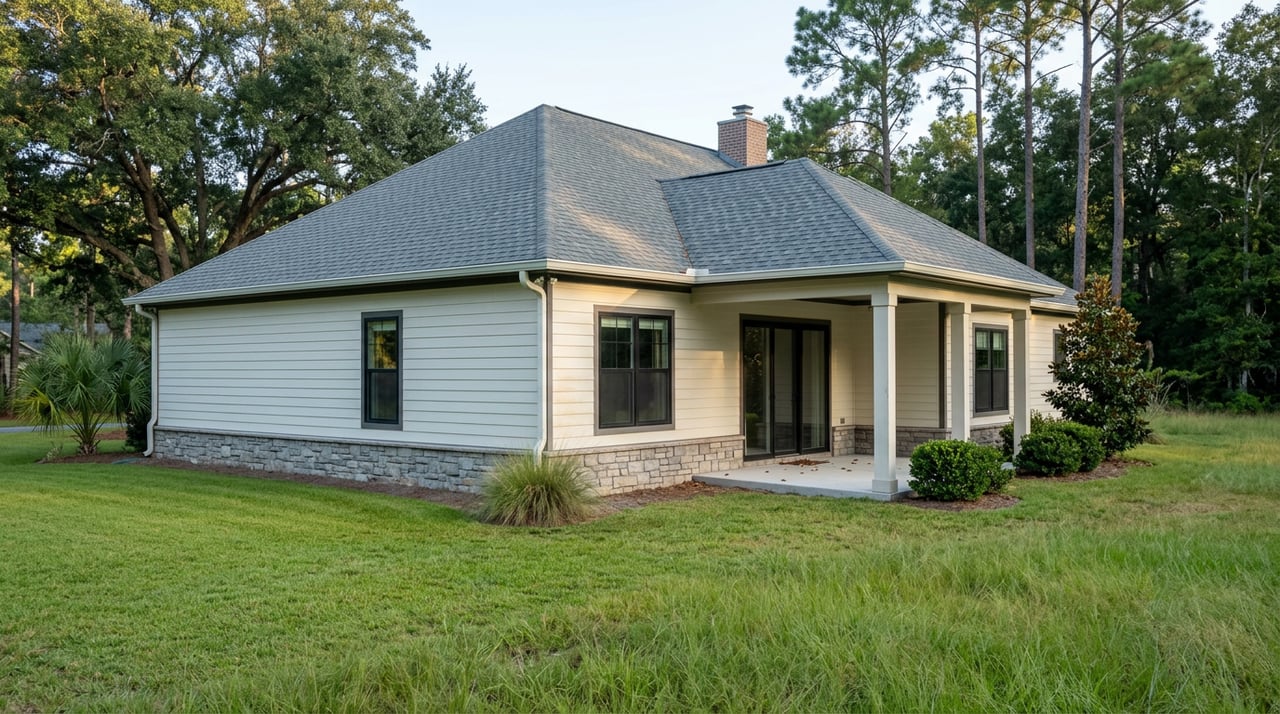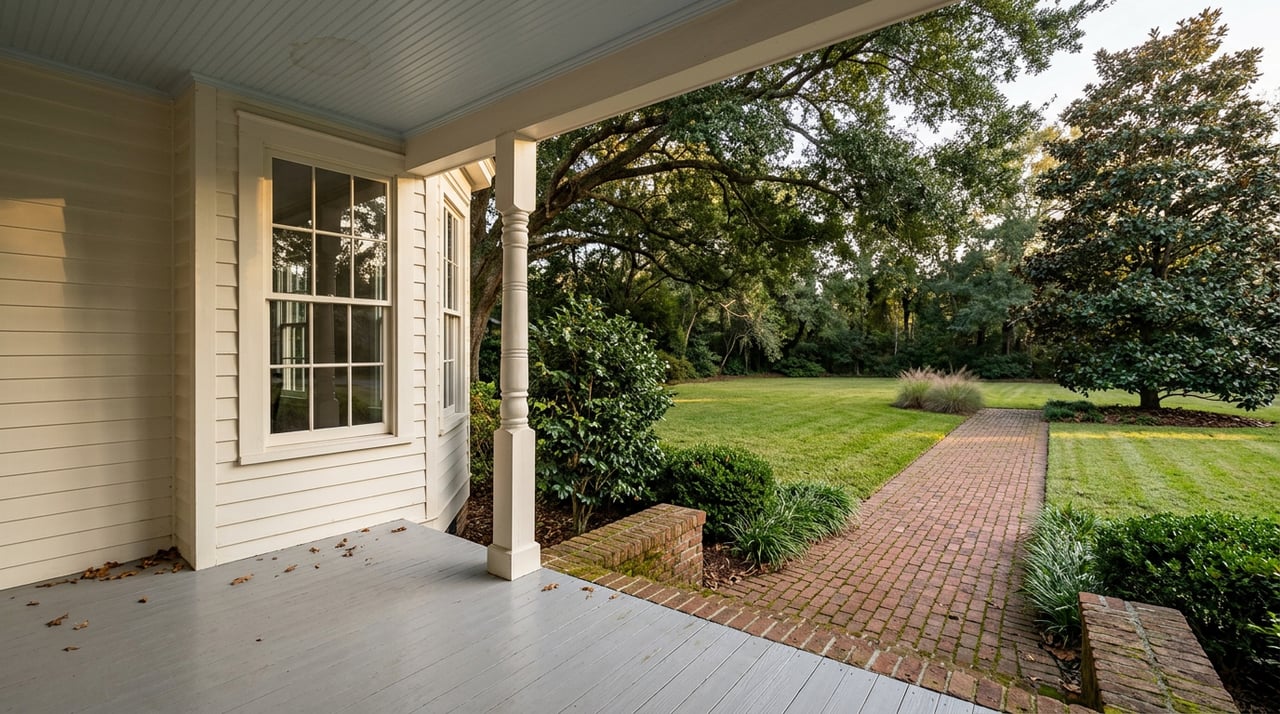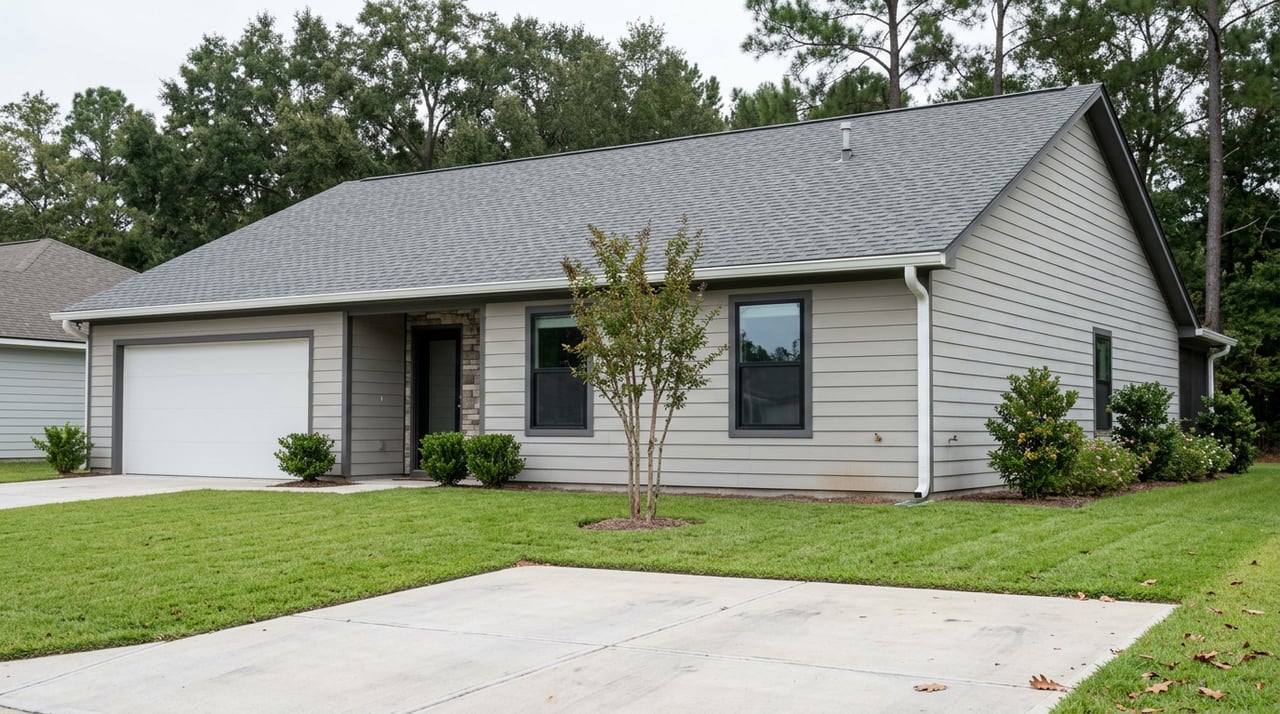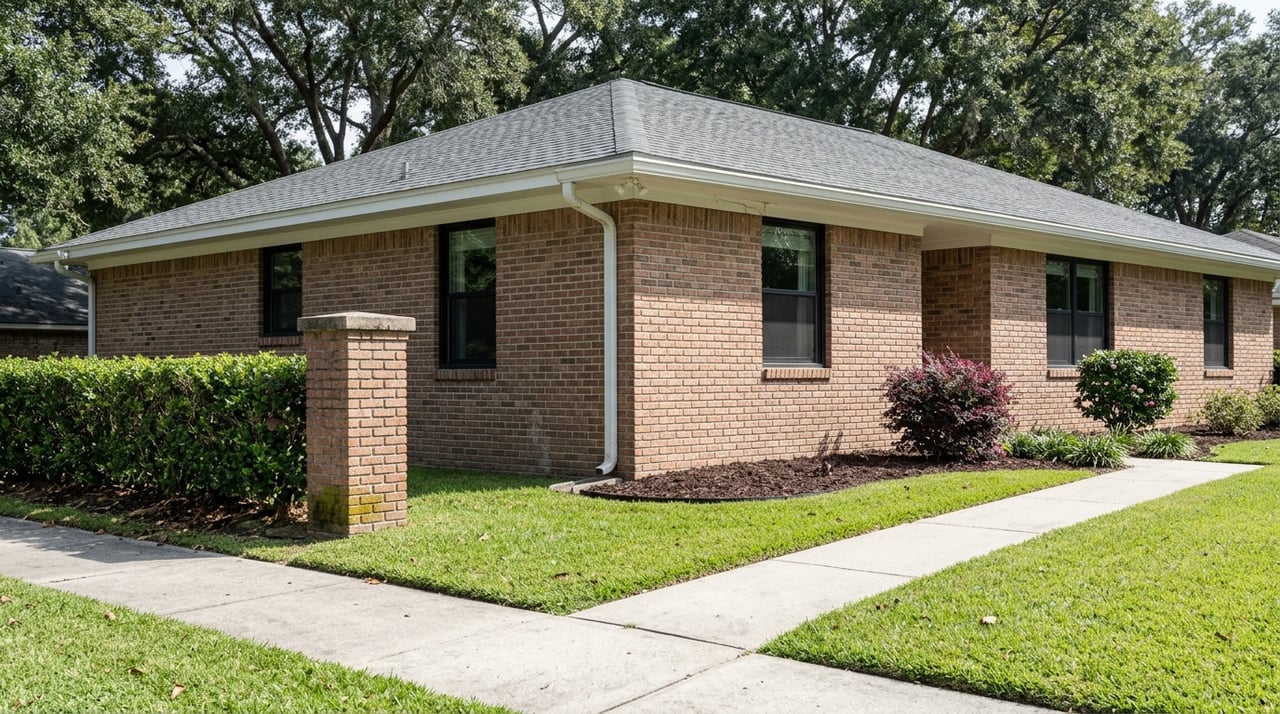
A seller in Killearn Estates once told me she assumed her buyer would just "join the club" the way everyone in the neighborhood seemed to. The buyer had grown up visiting a cousin's house near the golf course and pictured Saturday mornings on the same fairways once he closed. Three weeks into the contract, his agent called mine with a question that stopped the deal cold for a day: which HOA governs this parcel, and does the sale include any right to use the pool, courts, or course?
It's the kind of question that never comes up in a listing description and almost always comes up somewhere between the inspection period and the final walkthrough. In Killearn Estates, it comes up more than sellers expect, because the neighborhood's name covers something far more layered than a single governing document and a single set of amenities.
One Name, Several Rulebooks
Killearn Estates spans roughly 3,800 homes built across several decades in northeast Tallahassee, and the Killearn Homes Association is the umbrella group that administers covenants, parks, lakes, and trails for the community as a whole. That sounds like a single, tidy answer until you look at the association's own covenants page, which sorts residential units into two categories: "Revitalized" and "Preserved."
Florida's Department of Economic Opportunity approved the revitalization of covenants and governing documents for some residential units in Killearn Estates, while other units kept their older, "preserved" documents intact. Both are legally in force. Neither is the default. Which one applies to a given address depends entirely on which unit that address sits in, and the two document sets are not identical copies of each other with a new coat of paint. They can carry different language on architectural review, enforcement mechanics, and how amendments get made going forward.
For a seller, that distinction matters the moment a buyer's attorney or lender asks for the recorded covenants that run with the property. Pulling the wrong document, or assuming "the Killearn covenants" are one file, is an easy way to introduce a delay that has nothing to do with the house itself.
The Second HOA You Might Not Know You Have
The umbrella association is only the first layer. Killearn Estates is made up of dozens of named sections and villages, and some of them operate their own homeowners associations on top of the umbrella covenants. The Greens of Killearn, for example, has its own board, its own property manager, and its own reserve fund set aside for community-wide repairs, functioning as a distinct legal entity rather than a marketing name for a subdivision within the larger neighborhood.
This layering is not unique to Killearn Estates. In the neighboring Killearn Lakes footprint, Killearn Commons collects annual dues that are explicitly separate from and in addition to the broader Killearn Lakes HOA dues, and pool access there is tied to whether those dues are current. It's a pattern worth knowing about even if your parcel sits squarely in Killearn Estates proper, because it shows how easily a buyer can assume "the HOA fee" is one number when a property actually answers to two sets of dues, two boards, and two sets of rules.
For a seller, the practical takeaway is simple: know exactly which association or associations attach to your specific section before you write a listing description that says "low HOA dues" or "no HOA." A number that's accurate for one section of Killearn Estates can be flatly wrong two streets over.
The Club Isn't Part Of The Deed
Here's the layer that catches the most people off guard, sellers and buyers alike: Killearn Club, the private operation behind the golf course, tennis courts, and swim facilities, is not the same organization as the Killearn Homes Association, and club access is not included automatically with homeownership. Buying a house on a street that borders the golf course does not come with a membership card. Anyone who wants access to those amenities has to apply and pay for it separately, on the club's own terms.
This is worth saying plainly in a listing rather than letting a buyer infer it from a photo of a fairway. A home that backs up to the course can absolutely be marketed for its view and its setting. What it can't be marketed as, without inviting a fair housing or disclosure problem later, is a home that comes with club membership baked into the price. I've seen buyers walk through a home, fall in love with the lot, and only later realize the monthly cost of the lifestyle they pictured is a separate line item they never budgeted for. That's not a deal killer if it surfaces during a showing. It's a much bigger problem if it surfaces during underwriting.
What This Means For Pricing And Disclosure
Put these three layers together and you get a neighborhood where the sale price tells you less than it seems to. Current listings across Killearn Estates run from the low $200,000s to the mid $500,000s and above, a spread that reflects far more than square footage or age of construction. A three-bedroom brick ranch under preserved covenants with no secondary HOA prices differently than a comparable home in a section with revitalized documents, an active architectural review process, and its own layered association dues, even before you factor in whether the buyer cares about club access at all.
That's the real lesson for anyone preparing to list here. The median or average price you see quoted for Killearn Estates as a whole (Zillow's tracked average sits around $412,000 as of this August) is a useful starting point and a poor substitute for knowing your own unit's covenant status, your section's HOA structure if it has one, and whether your marketing photos are implying an amenity your deed doesn't actually convey. Sellers who gather that paperwork before listing avoid the mid-contract scramble. Buyers who ask the right question early save themselves a surprise at the closing table.
If you're getting ready to sell in Killearn Estates, the homework is straightforward even if the layers aren't: pull your section's recorded covenants directly from the Killearn Homes Association rather than relying on a neighbor's copy, confirm in writing whether a secondary association applies to your address, and be explicit in your listing about what is and isn't included when it comes to club amenities. None of that changes what your home is worth. It changes how smoothly you get there.
A Few Quick Answers
Does buying a home in Killearn Estates include Killearn Club membership? No. The club that operates the golf course, tennis courts, and pool is a private entity separate from the Killearn Homes Association, and membership is applied for and paid separately from any home purchase.
How do I find out if my covenants are "Revitalized" or "Preserved"? The Killearn Homes Association publishes both sets of documents by residential unit on its website. Your unit determines which version applies to your address, so check your specific unit number rather than assuming one document covers the whole neighborhood.
Do all homes in Killearn Estates pay the same HOA dues? Not necessarily. Some sections operate their own homeowners associations in addition to the umbrella Killearn Homes Association, each with its own dues structure, so the fee on one street isn't a reliable guide to the fee on another.
Selling a home in a neighborhood this layered works better with someone who's mapped the layers before, not while your contract is on the clock. If you're weighing a move in Killearn Estates, Tally Home Search can walk your specific section's covenants and comparable sales with you. Get your free home valuation and we'll start with the paperwork that actually matches your address.