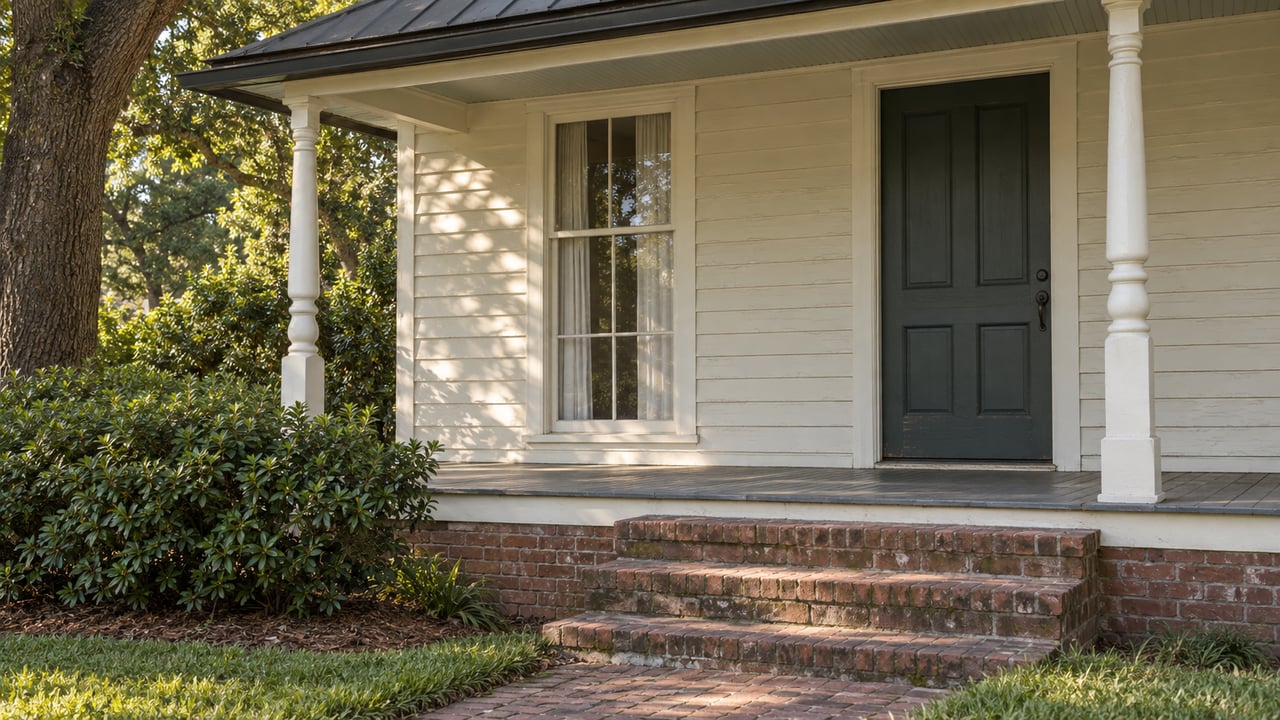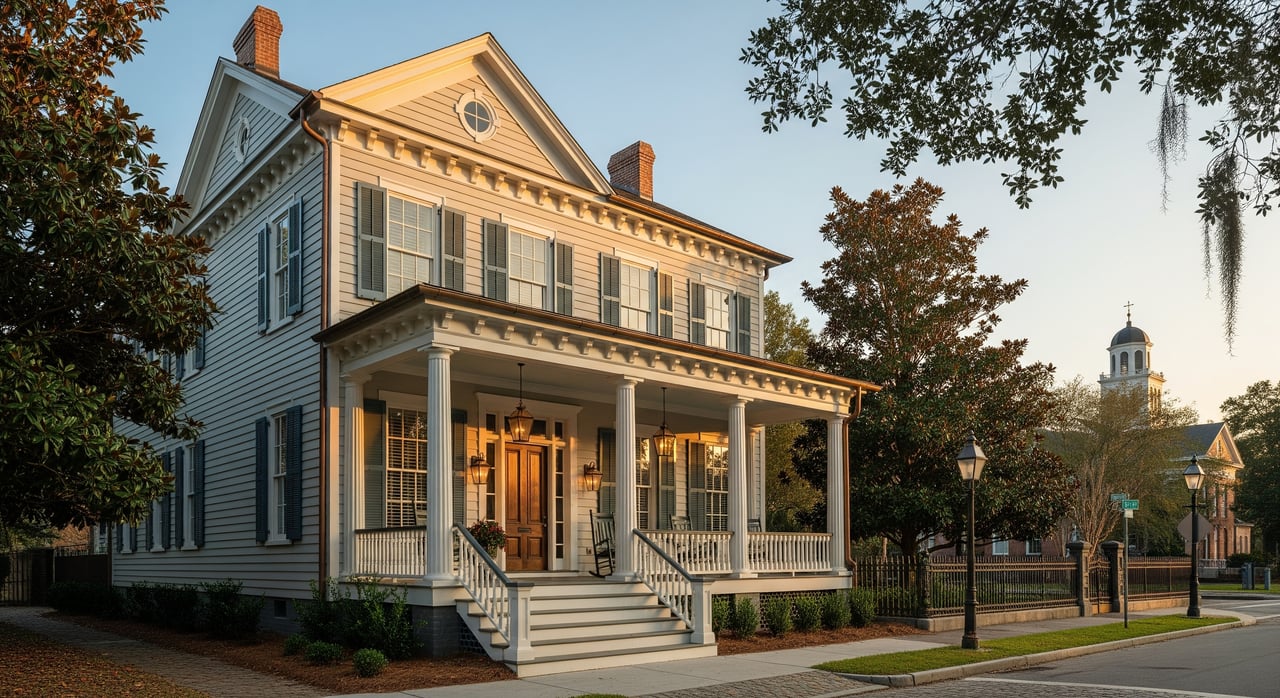
Thinking about flipping a Victorian on Monticello’s oak-lined streets? The charm is real, but so are the rules, timelines, and hidden costs that come with historic homes. If you plan ahead, you can preserve character, meet code, and protect your margins.
In this guide, you’ll learn how Monticello’s historic review works, which inspections to order before you write the offer, what permits to expect, and how to budget with realistic contingencies. You’ll also get strategies to set ARV, market the finished home, and reduce risk at every step. Let’s dive in.
Know Monticello’s rules
Before you budget or sketch a design, confirm the property’s status and which regulations apply. Requirements change your scope, materials, schedule, and resale.
Confirm historic status
- Check if the property is inside a locally designated historic district and whether exterior work needs a Certificate of Appropriateness.
- Verify whether the home is listed on the National Register or recognized by the state. Extra review can apply if you use state or federal incentives.
- Start with the City of Monticello Planning and Zoning, Jefferson County Building and Permitting, and the Florida Division of Historical Resources for confirmation.
Understand building code
- Florida Building Code applies statewide. Historic structures sometimes qualify for alternative compliance paths, but approval is jurisdiction specific.
- Contact the City of Monticello or Jefferson County building department early to learn which provisions and wind requirements apply to your scope.
Check flood and insurance factors
- Some areas may sit in FEMA flood zones. Flood status can affect permits, required elevations, and insurance costs.
- Plan for North Florida windstorm exposure. Wind mitigation features like clips, straps, and roof-to-wall connectors can influence insurability and premiums.
Scope your inspection
Older Monticello homes are beautiful, but age and humidity introduce risks. Order a robust inspection package before you close.
Pre-purchase inspection package
- General home inspection
- Structural engineer evaluation for settlement, sagging floors, or pier repairs
- Termite and wood-destroying organism report
- Roof inspection and leak assessment
- Electrical inspection for service capacity and wiring type
- Plumbing inspection and water quality testing if old piping is suspected
- Asbestos and lead testing where materials will be disturbed
- Mold and moisture assessment if water intrusion is present
- Flood zone verification and elevation certificate status
- Historical status check and local restrictions review
Common condition issues to expect
- Structural and foundation: Pier-and-beam setups often show settlement or termite-damaged sills. Allow for repairs or stabilization.
- Wood deterioration: Florida humidity and termites create hidden damage. Budget for treatments and replacement framing where needed.
- Roofing and flashing: Worn metal or composition roofs can leak, leading to rot or mold inside walls and ceilings.
- Electrical: Older service panels and cloth wiring cannot support modern HVAC and lighting without upgrades.
- Plumbing: Galvanized lines and cast-iron drains may require repipe or targeted replacement.
- HVAC and insulation: Many homes need new systems or discreet mini-splits plus insulation improvements.
- Hazardous materials: Lead-based paint and asbestos are common in pre-1978 structures. Testing and licensed abatement may be required.
- Windows and exterior: Single-pane wood sash often need in-kind repair. Replacement may be restricted in historic districts.
- Chimneys and masonry: Mortar deterioration and unstable stacks often need repointing or rebuild.
Plan permits early
Permitting is where timelines stretch if you are not prepared. Build a permit plan before closing.
Permits you will likely need
- Building permit for structural work or full rehab
- Electrical, plumbing, and HVAC permits for system upgrades
- Roofing permit
- Demolition permit for selective demo
- Historic review or Certificate of Appropriateness for exterior changes within a local district
- Floodplain permits if the property sits in a special flood hazard area
- Tree removal or site disturbance permits if applicable
Historic review specifics
- Exterior changes, additions, porch work, window replacements, and material swaps often require review. Interior work is sometimes exempt unless tied to a certified structure or public funding.
- Expect added time. Review boards often meet monthly and may require revised submissions. Build weeks or months into your schedule.
Contractor licensing
- Florida requires appropriate licensing. Verify your contractor through the Florida Department of Business and Professional Regulation and confirm experience with historic rehab.
Typical timelines
- Minor permits like roofing or an HVAC changeout can take days to a few weeks.
- Major rehab with historic review can take several weeks to several months. Plan for design drawings, board meetings, and potential revisions.
How to expedite
- Schedule a pre-application meeting with building and historic staff.
- Submit complete drawings, clear photos, and material specs that show visual impact mitigation.
- Hire contractors who know local reviewers and accepted materials.
Budget with realistic contingency
Historic rehabs require more cushion than a typical suburban flip. Build your pro forma with separate contingencies.
Contingency targets
- Construction contingency: budget 10 to 25 percent of hard costs. Use the higher end for 100-plus-year-old homes or limited documentation.
- Soft-cost contingency: reserve 3 to 7 percent for permits, design, engineering, and admin fees.
- Inspection and testing: plan line items for structural, hazardous materials, and moisture testing before purchase.
Major cost drivers
- Foundation and structure repairs, including sill and pier work
- Termite remediation and wood replacement
- Full HVAC and ductwork installations or mini-splits
- Electrical service upgrades and rewiring where needed
- Asbestos and lead abatement by licensed pros
- Roof replacement and flashing corrections
- Historic-compliant window work, often repair in place
- Flood elevation or mitigation where required
- Permit and review fees, plus architect or engineer plans
- Carrying costs during vacancy: taxes, insurance, utilities, loan interest
- Builder’s risk or vacant property insurance, often higher than standard coverage
Financing implications
- Many hard-money lenders require conservative budgets, documented permits, and inspections for draws. Build a paper trail to keep funding on schedule.
Control the big-ticket scope
Protect resale and insurability by prioritizing code-critical systems before cosmetics.
- Start with electrical safety, roof integrity, structural stability, and HVAC performance.
- Address moisture and drainage to prevent mold returning after turnover.
- Preserve original features like millwork and porches where feasible to maintain buyer appeal and ease historic approvals.
Set ARV with local comps
Historic homes attract a specific buyer pool. Price with care to avoid overcapitalizing.
- Use comparable sales of renovated historic homes in Monticello and Jefferson County. Cross-reference nearby markets such as the Tallahassee area for context, then adjust for lot, significance, and any ongoing restrictions.
- Keep ARV conservative in your feasibility. Favor the low end of the comp range until permits are in hand and scope is confirmed.
Market what buyers value
The right buyer wants character up front and modern systems behind the walls. Your listing should prove both.
- Highlight restored period features and document system upgrades with permits and final inspections.
- Prepare for a potentially longer time on market than a generic renovation. Targeted marketing and strong disclosures help.
- Provide a clear list of completed work and any transferable warranties. This builds trust and helps appraisers.
Reduce risk and protect profit
Treat surprises as a given and manage them with structure.
- Invest early in specialist inspections and testing to avoid late discoveries.
- Use fixed-price or tightly defined bids for major scopes.
- Increase contingency when documentation is thin or the home is very old.
- Keep detailed records of permits, inspections, pest treatments, and any easements. This lowers post-sale liability.
A practical timeline snapshot
Every project is different, but this sequence works for many Monticello historic rehabs:
- Pre-offer: Order general, structural, and WDO inspections. Pull preliminary permit and historic requirements. Run conservative ARV comps.
- Under contract: Schedule hazardous materials testing, roof and electrical assessments. Draft concept plans aligned with historic guidelines.
- Permitting: Attend pre-application meeting. Submit complete drawings and material specs. Apply for trade permits.
- Stabilization: Address roof leaks, structural issues, and moisture control first. Begin electrical and plumbing upgrades.
- Systems and envelope: Install HVAC, insulation, and window repairs or approved replacements. Complete exterior work per COA.
- Interiors and finishes: Drywall repair, paint, kitchens and baths. Keep finishes historically sympathetic where feasible.
- Final inspections and closeout: Secure approvals, assemble documentation binder, and prepare disclosures.
- Listing and sale: Market historic features and show proof of modern upgrades.
Your next steps
- Verify historic designation and review requirements before you offer. COA needs and board schedules affect cost and timing.
- Line up specialist inspections and a structural engineer where needed.
- Build a budget that separates hard costs, soft costs, and contingencies. Start with a 10 to 25 percent construction contingency.
- Meet with local building and historic staff early and hire licensed contractors with relevant experience.
- Keep your ARV conservative until permits are clear and major unknowns are resolved.
If you want a local sounding board, I can help you pressure test ARV, compare comparable sales in Monticello and Jefferson County, and plan a marketable scope that respects the district’s character. When you are ready to buy or sell, I will put tailored marketing and responsive service to work for you.
Ready to run the numbers on a Monticello flip or prep your historic listing for the market? Reach out to Tally Home Search (Realty by Trey) to talk strategy, comps, and timing that fits your goals.
FAQs
What does historic review in Monticello typically cover?
- Exterior changes like additions, porches, window replacements, and material swaps often require a Certificate of Appropriateness. Interior work may be exempt depending on local rules.
Which inspections should I order before buying a historic flip?
- At minimum: general home, structural engineer, termite and WDO, roof, electrical, plumbing, hazardous materials testing where disturbance is planned, and a moisture assessment.
How long do permits and historic approvals take for a rehab?
- Minor permits can take days to a few weeks. Major rehab with historic review can run several weeks to several months due to drawings, board meetings, and potential revisions.
How much contingency should I budget on an older Monticello home?
- Plan 10 to 25 percent of hard construction costs for contingency, plus 3 to 7 percent for soft-cost reserves like permits, design, and engineering.
Can I replace original windows in a historic district flip?
- It depends on local rules. Many districts prefer repair in place or require historically appropriate replacements approved through the review process.
Who do I contact to verify licensing and flood status?
- Verify contractor licensing with the Florida Department of Business and Professional Regulation. Check flood zones through the FEMA Flood Map Service Center and confirm requirements with local permitting staff.